Like many children of the 1990s, when the thunder rolled into Skot Covert’s small hometown of Ozark, he parked himself in front of the TV and turned on the local news to hear the forecast. It was the best and fastest source of information on incoming weather events, and Covert, who was afraid of storms, found comfort in the real-time, scientific updates the weatherman offered.
“If you watch enough, you start learning. I started finding myself identifying features of storms before the weatherman would say it on air — that excited me,” he recalls. “The more I learned, the less I was afraid of those storms, so I kept learning.”
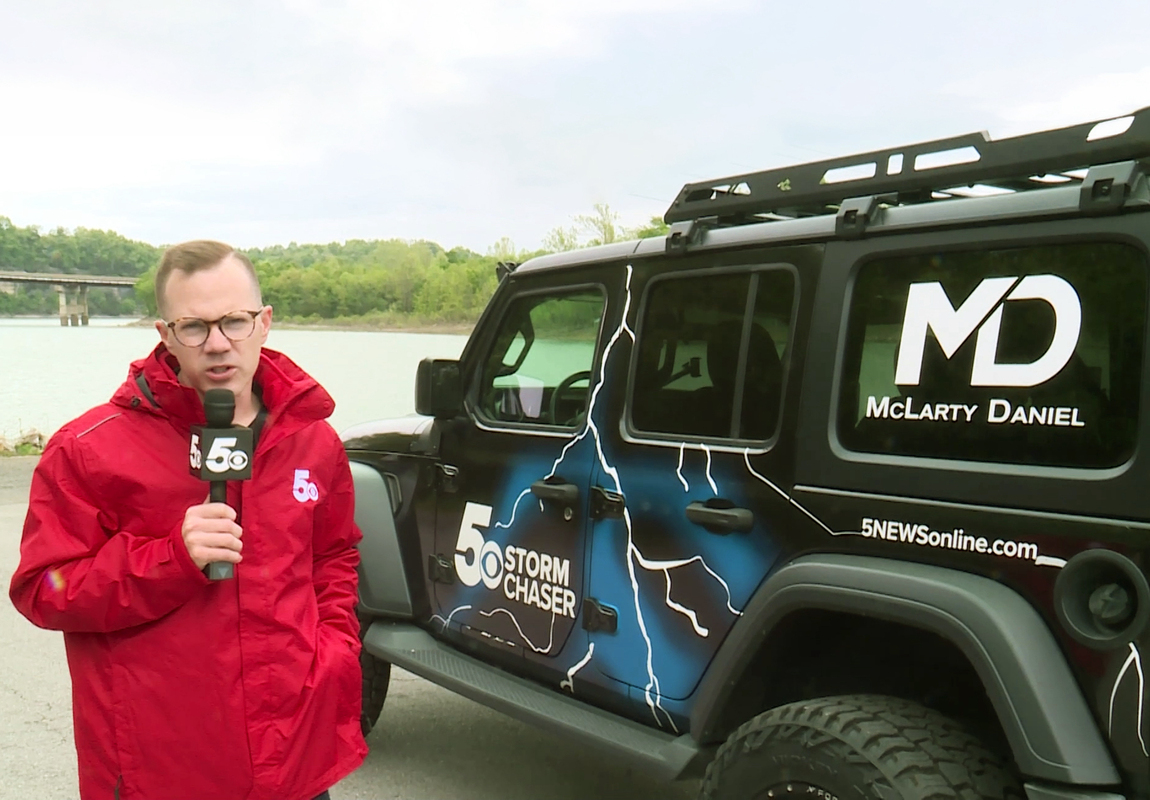
Covert followed his interest in meteorology all the way to a degree in broadcast meteorology before landing forecasting jobs, first at Little Rock’s THV11 and now at Fayetteville’s 5NEWS, the station he grew up watching.
These days, there are any number of apps, websites and channels dedicated to 24/7 weather forecasting, but Covert’s climate coverage sets him apart in Arkansas. He looks at weather events and climate patterns through the lens of a duck hunter, and has become one of the state’s most well-known conservation advocates thanks to his large platform.
“I’m invested in working in conservation, not only in a seven-day forecast, but also talking about the bigger picture,” he says. “Weather is one part of the puzzle, and patterns are changing; you can call it whatever you want — I’m not interested in the climate change debate — but for me, it’s obvious our weather is changing, and no one knows that better than duck hunters.”
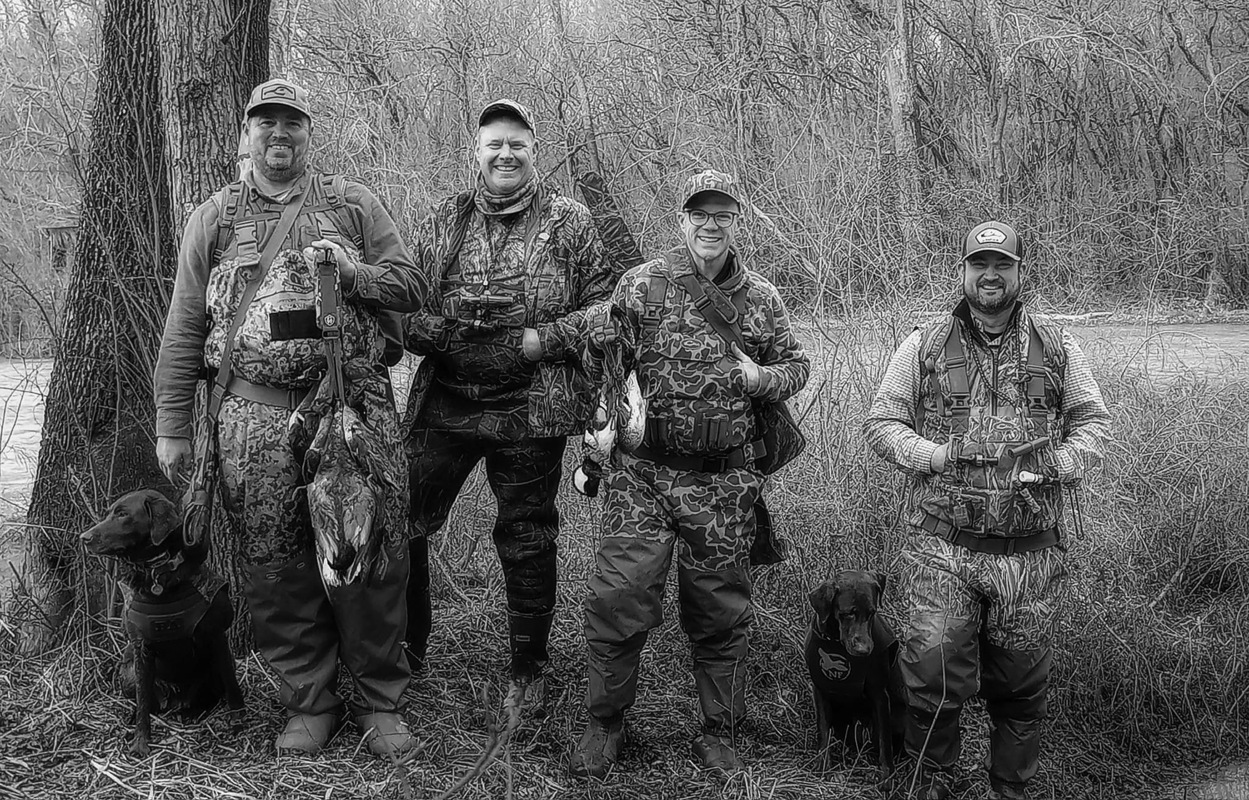
Covert’s work has earned him a local Emmy and numerous other awards, but he says the greatest reward is the opportunity to share his love of the outdoors with his local community, especially now that he’s working at his hometown station.
First Loves
Covert grew up in the Arkansas River Valley, where he hunted at Davis Lake, now a popular hunting destination for Northwest Arkansas residents.
“My grandpa grew up duck hunting and started taking me when I was 7 or 8. I was obsessed with it. I spent summers drooling over the Mack’s Prairie Wings catalog, getting excited for the season,” he says. “It was all I thought about as a kid.”
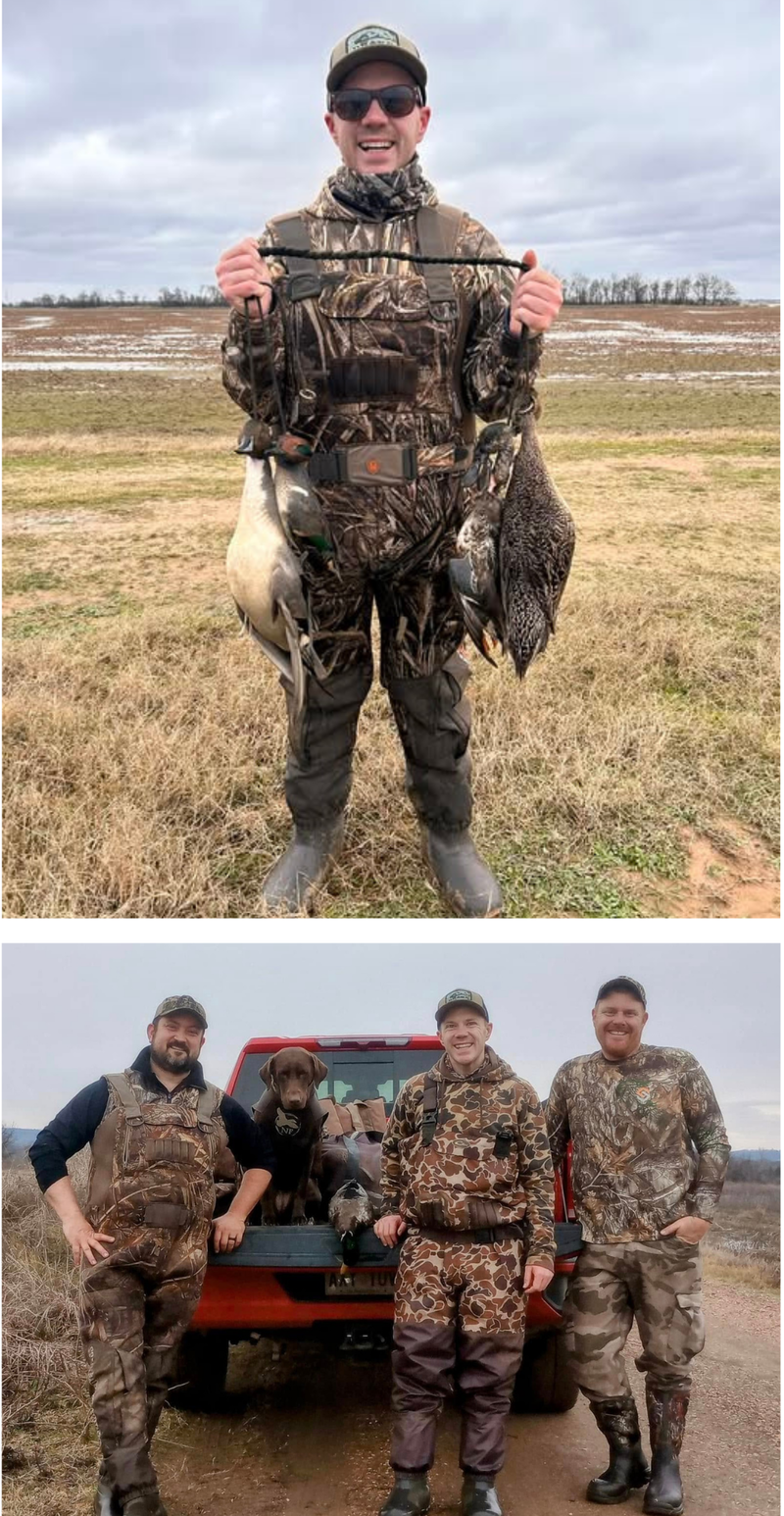
His granddad died when Covert was in his early teens, and without someone to take him, he fell out of the sport. He took a few trips during college at Arkansas Tech University, but it couldn’t compare to the experiences he’d had growing up. He also pivoted from his interest in broadcast television during college, opting instead to study emergency management.
“It’s close — weather is an integral part of emergency management; most emergencies in Arkansas are weather-related,” he says. “But at the end of the day, that wouldn’t scratch the itch of weather full-time.”
After college, Covert spent 10 years working in politics and government, including as chief deputy auditor for the state of Arkansas. When his boss and mentor, former state Auditor Andrea Lea retired, he decided it was time for a change.
“I went back to school at Mississippi State to get my degree in meteorology, and around that same time I was studying, I somehow connected back with ducks, migration, waterfowl,” he says. “When I intersected these two passions that occupy so much of my brain time, I felt like that same kid going to the blind with my grandpa.”
Conservation Coverage
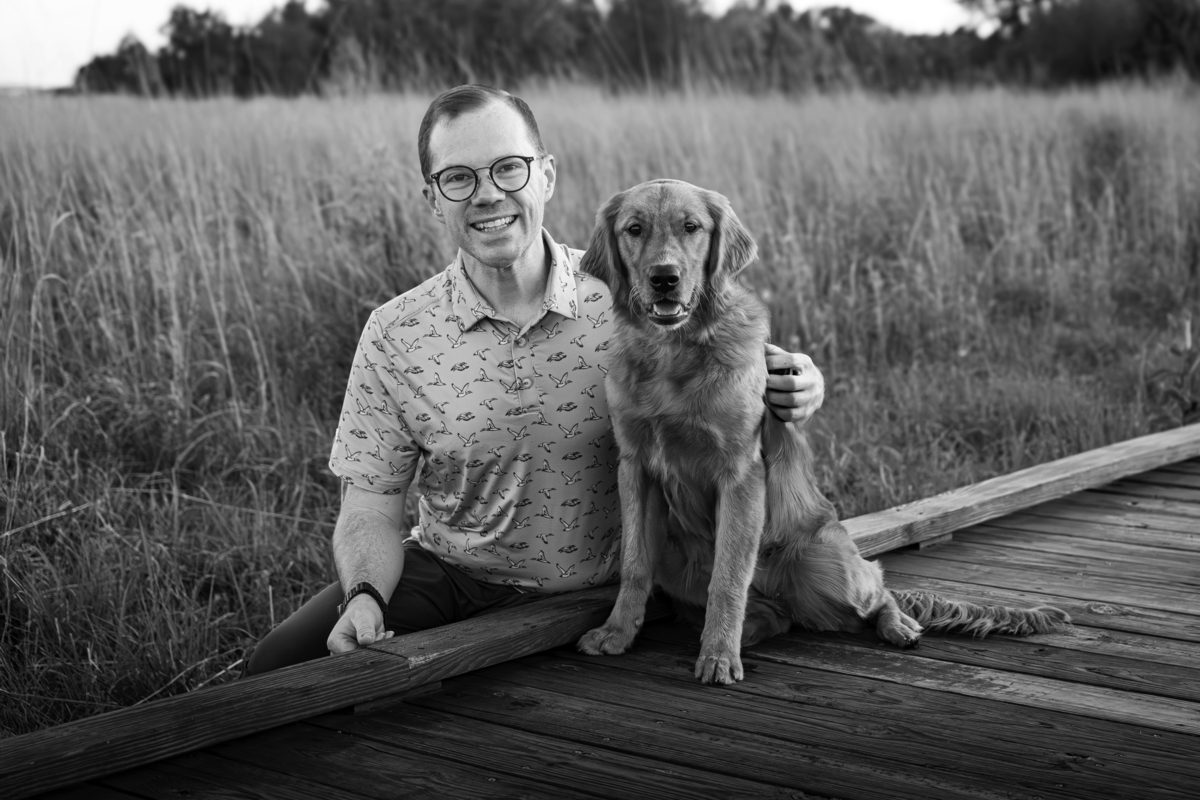
Covert joined the staff at THV11 shortly before the COVID-19 pandemic started and almost immediately shifted from delivering forecasts from the studio to his living room. He made a name for himself when his golden retrievers found their ways into the live feeds.
“My dogs mean the world to me; I love them more than people and life,” he says. “But they wouldn’t behave all the time; they’d start howling, getting in the shot when I was on live TV. But the viewers ate it up.”
He was also able to start incorporating his duck hunting hobby into his forecasts, both through regular coverage and the station’s weekly Outdoor Report. When viewers responded positively to his coverage, Covert realized he might have an opportunity to explore the challenges facing waterfowl and habitat more deeply.
“There’s a bigger story, and while Arkansas is at the epicenter, there are influences around the globe impacting us here. I struggled with how to tell that story in a 3-minute weathercast,” he says. “It wasn’t even that I wanted to do a big story, but I knew I needed a different platform to get to the bottom of things and ask the right questions.”
With support from then-News Director Shayla Teeter, Covert began working on the documentary that would win him one of journalism’s most prestigious recognitions, a regional Edward R. Murrow Award: “Losing a Legacy: Arkansas’ Duck Decline.” He interviewed Greenhead Editor Brent Birch and Five Oaks Ag Research & Education Center Director Ryan Askren, who brought to light the pressures on duck food and habitat in Arkansas.
“You go into a project and want to ID the root source of the problem, and if you’re following the science, as we were, and also committed to do a story that’s full of emotion and anecdotal evidence, which is also powerful and real and valid, you realize it’s not just weather. A lot of factors are out of sync,” he says.
Covert hoped to introduce non-hunters to the challenges facing wetlands and waterfowl, and show hunters where the data backs up the notions they’ve developed over seasons of declining duck numbers. He was successful in that, as many hunters now observe some of the land management practices emphasized by Askren, a waterfowl biologist, in that segment.
“I think it’s cool that we raised awareness outside of Arkansas of the challenges we face. Ducks don’t recognize state lines, so hopefully we elevated this conversation so more can be involved in the solution,” he says.
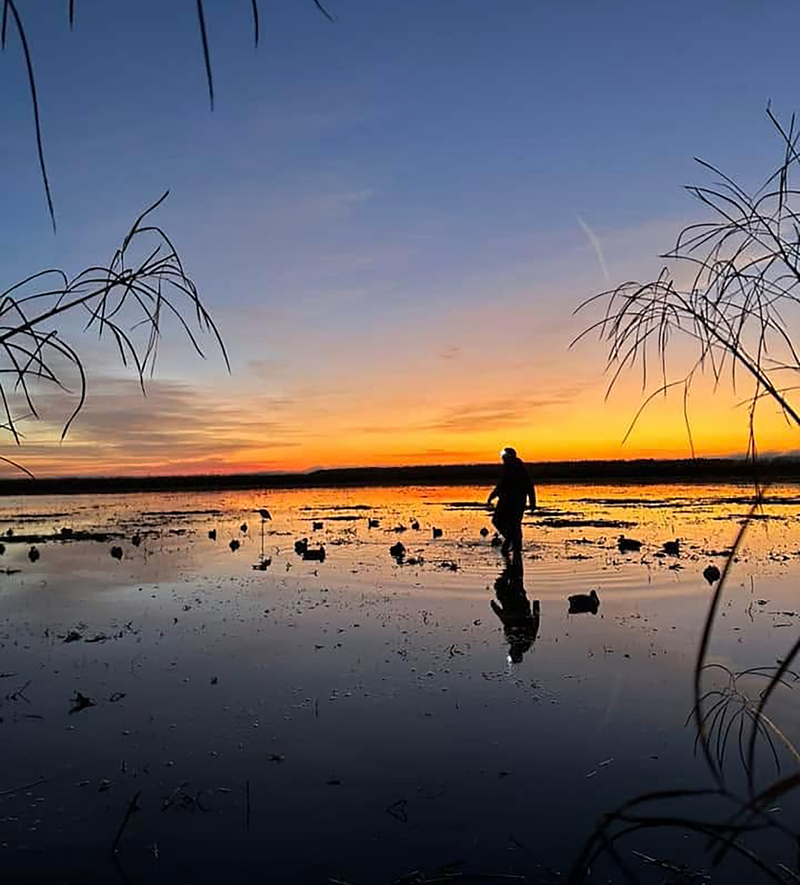
Now at 5NEWS, Covert is hoping to replicate the following he had in Little Rock as he continues reporting on weather and its impacts on waterfowl.
“Duck hunting in west Arkansas is a lot different than in east Arkansas; it’s a heck of a lot harder, fewer opportunities. An inch of rain here matters,” he says. “I’ve been focusing on those smaller details for hunters up here, especially online. I’m still providing that info and context you might not get from a weather app.”