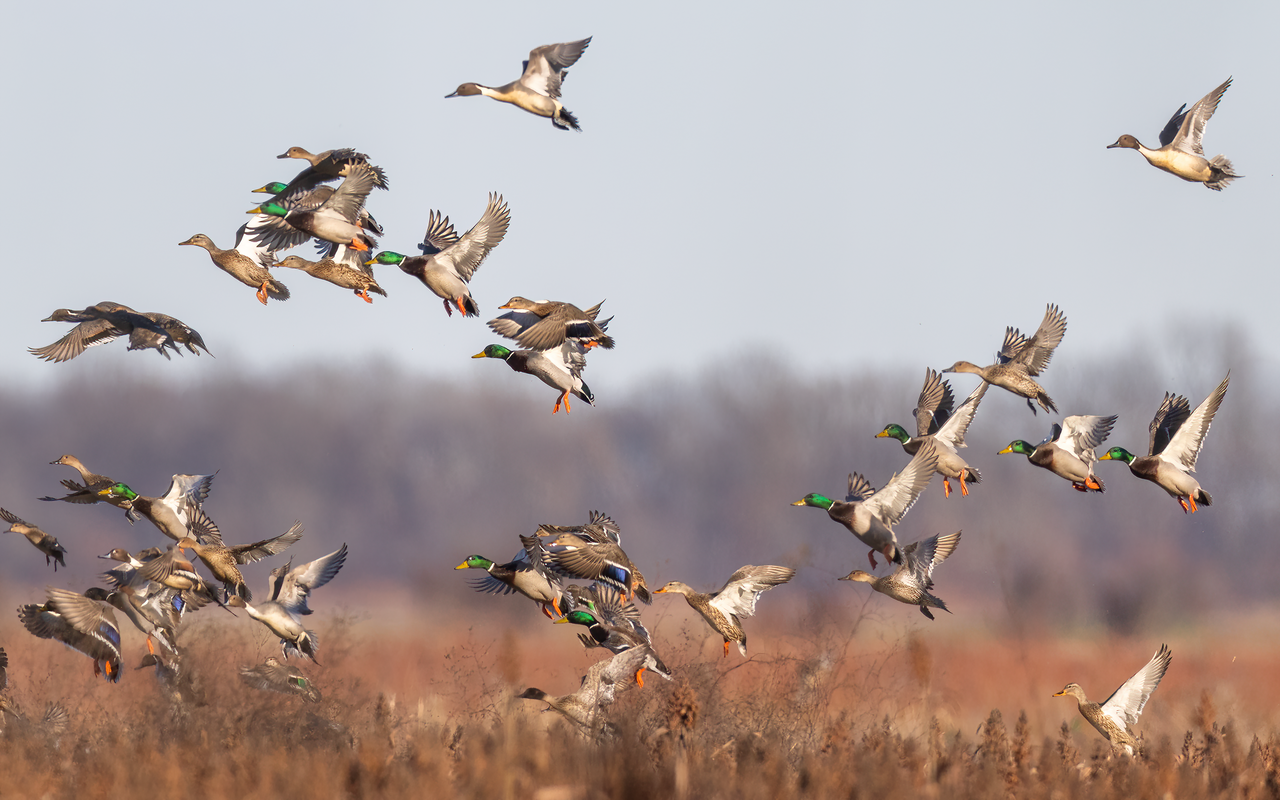
Arkansas’ duck hunting reputation has long been known as a sweet spot of natural processes and management that works with a balance of respect and stewardship of our cherished hunting grounds. Greenhead explores two major aspects of that stewardship.
Habitat
Is Arkansas at the crossroads?
Habitat and maximum opportunity in late January grab the headlines, under the guise that mallards are just making their way to Arkansas. Granted, this is when the state-managed green-tree reservoirs should have their optimal water conditions, but Arkansas Game and Fish Commission aerial surveys and GPS-marked mallards don’t support the “ducks just getting here” mantra.
(Ed Wall)
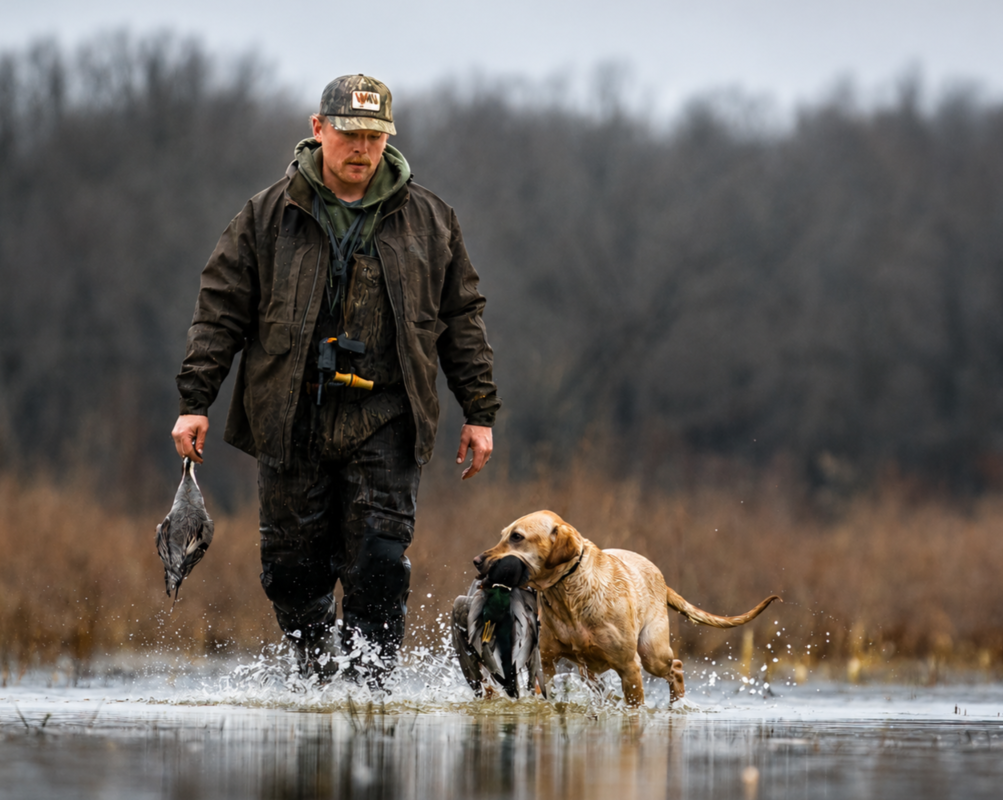
As the experts note, flexibility is the name of the game when it comes to habitat management for mallards. Early matters. Late matters. And a good mix matters, as flooded, unharvested crops alone don’t provide enough of what a mallard needs before, during or after the season. When and where possible, landowners should offer a mix of waste grains, moist-soil seeds, invertebrates, acorns and overhead cover to keep the ducks on the premises.
Read more of the conversation on habitat here.
Redistribution
A look at the impact of uneven land management.
The flipside of that is the redistribution concern. Intensive habitat management on private lands may be concentrating birds, while public lands and the average lease struggle for quality mallard hunting. Public lands absorb the full pressure of guns and boats, and private ground in Arkansas has paid the price for improvements in modern agriculture. Now, a flooded rice field in eastern Arkansas simply does not provide the duck energy days it did 30 years ago.
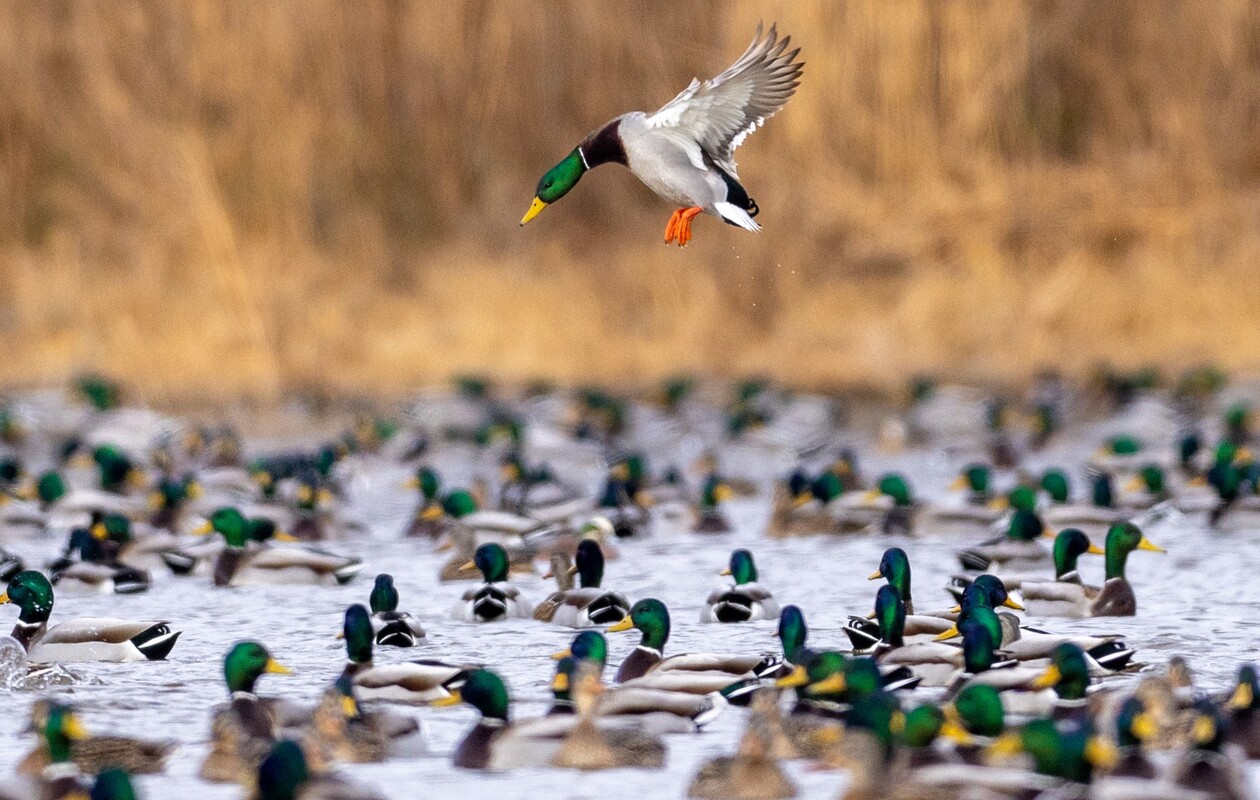
Modern agriculture restructured the caloric geography of the wintering grounds, and those effects are still unfolding. Mallards are highly plastic, responding quickly to food availability and disturbance by redistributing across the landscape, but they also display strong site fidelity when reliable, low-disturbance habitat is available season after season. That adaptability is what has allowed mallards to persist across a rapidly changing landscape, and it is both the challenge and the opportunity for managers.
Read more about redistribution here.