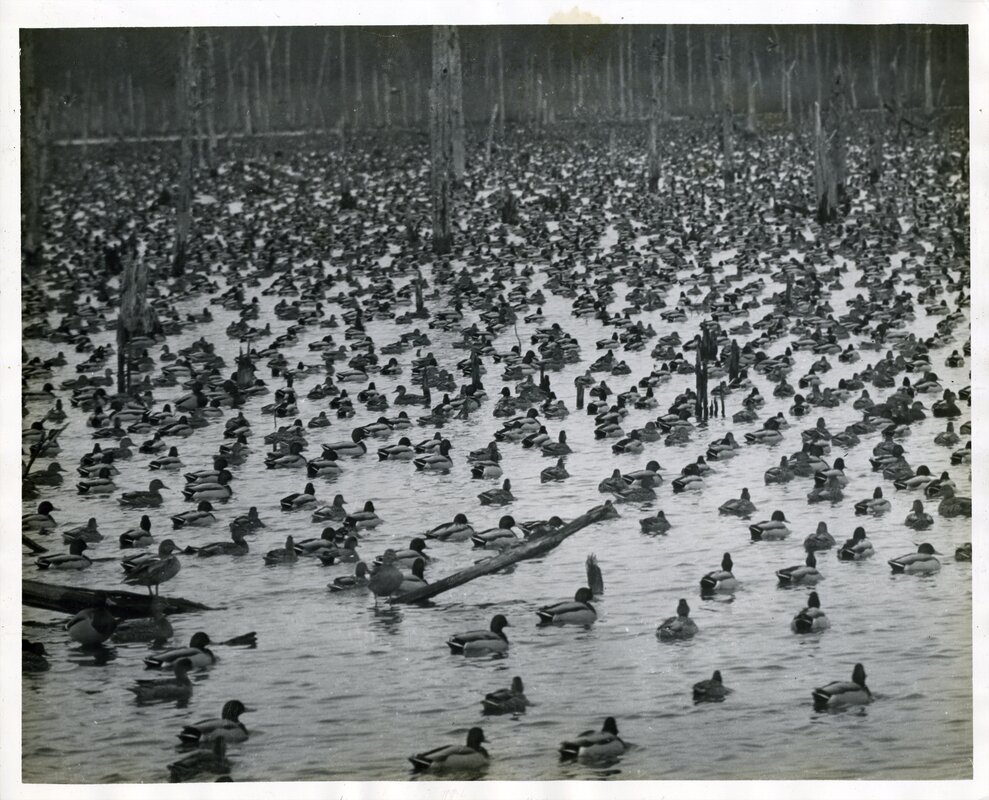
Arkansas boasts itself as the cradle of duck hunting civilization, and rightfully so. Its central location in the flyway, with flooded timber, clouds of birds and clubs steeped in tradition all helped cement that reputation, part of which was immortalized in 1956, when George Purvis snapped a photograph of hundreds of thousands of ducks lifting off Wallace Claypool’s Reservoir near Weiner.
For most, the “Claypool Photo” is a symbol of the glory days of duck hunting. For my grandfather, Johnny Robert Riley Sr., it was a get-out-of-jail-free card — literally.
“Jimmy Carter gave me that pardon for a killin’ I done,” Pop said. I was unsure of how to follow up on a murder confession from the man who I had just shared a dinner of Vienna sausages with. “And he came and went duck hunting with us.”
I was 12 or 13 — young enough to believe him, old enough to hesitate. “What was it like hunting with the president?” I asked.
“He was alright company, but his Secret Service looked funny ringing the hole.”
Pop was a coon hunter at heart — meaning there was some truth to his stories, but it didn’t always travel alone. Another story soon followed and nothing more was asked regarding the pardon. Years later, I found something more concrete.
In my first semester of law school, while working on a writing assignment on the Dyer Act, I pulled up a case on Lexis: United States v. Riley, 530 F.2d 767 (8th Cir. 1976). I opened it out of curiosity.
The first line stopped me cold: “Johnny Robert Riley appeals his conviction…”
The “killin’” story might’ve been embellishment — but this wasn’t. My grandfather had been convicted in federal court for transporting stolen vehicles across state lines. Not rumor. Not legend. A federal felony.
To understand how a man like Johnny Riley winds up there, you have to understand the man.
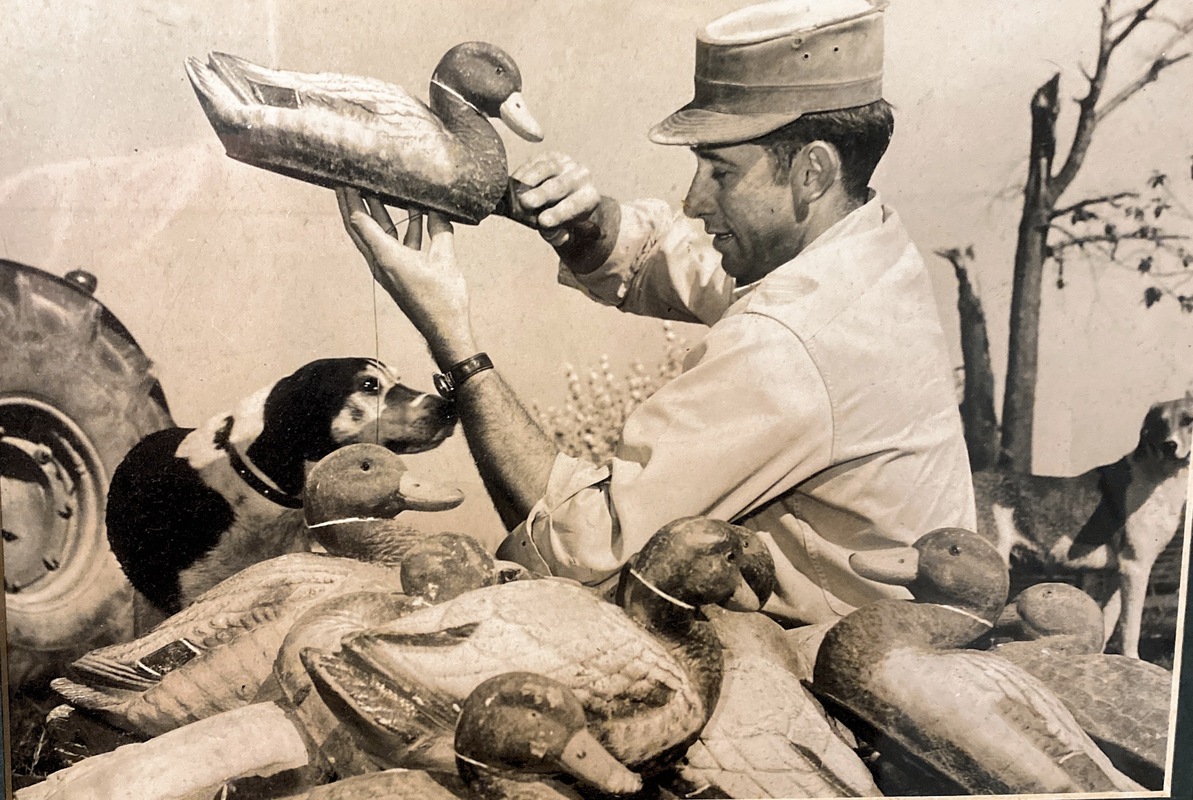
He was born in 1930 near Weiner, into a family that trouble followed like a shadow. Moonshining, gunslinging and hard living ran through both sides of the bloodline. The Depression shaped Johnny early. At the time, ducks weren’t sport; they were food. Limits were meaningless when you were hungry. He and his father killed them by the tote sack full and sold what they didn’t eat.
Johnny stood 6 feet, 4 inches, and was fearless and built for confrontation. A stint in the Korean War and time spent working as a bouncer certainly helped with that last part. When he took the caretaker job at Claypool’s Reservoir in 1966, poachers had gotten comfortable. Johnny changed that.
“Anyone I caught in here, I’d either whoop their ass or have them thrown in jail,” he once said. Usually the first. So how does a man like that get wrapped up in stolen cars? The short answer: We’ll never fully know.
In 1974, a stolen Chevrolet Vega turned up at Claypool’s. That led to a pickup truck — also stolen — and a Cadillac that turned up burnt to a crisp. Johnny claimed he bought them from men no one could find. No titles. No records. Just cash and stories.
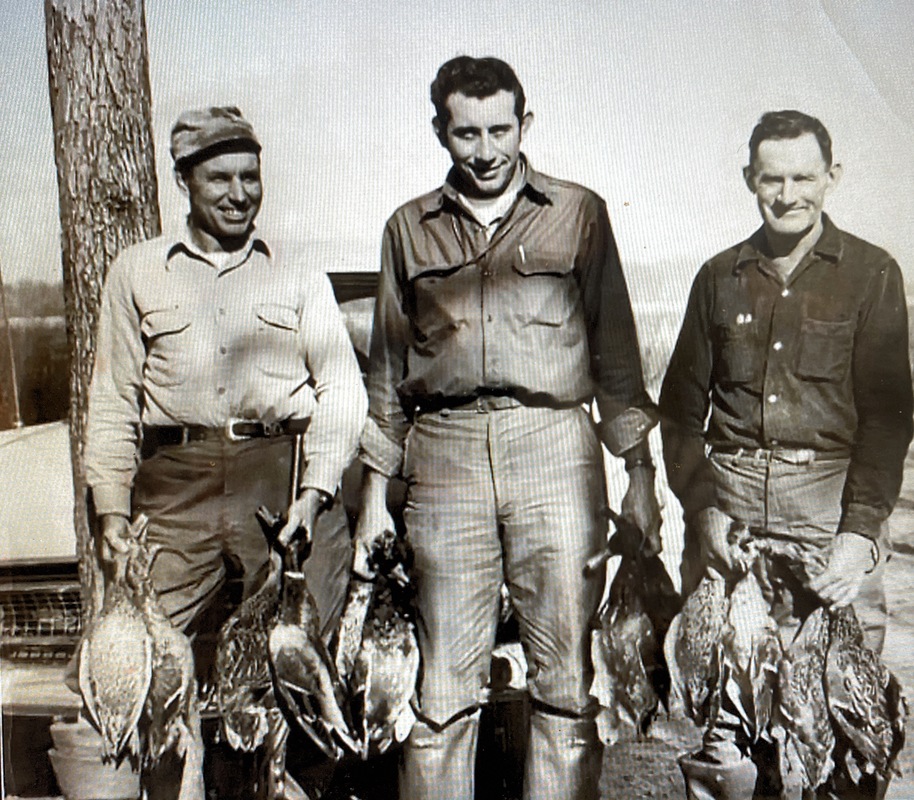
The Feds weren’t convinced. They charged him under the Dyer Act — three counts. One fell apart. Two stuck. His key witness died before the trial. Johnny stood on his word alone. He lost.
Then came the part that sounds like fiction. In 1977, Arkansas Sen. John McClellan died in office. Gov. David Pryor appointed Kaneaster Hodges, a duck hunter, as his replacement. Arkansas is a small world, and smaller still when ducks are involved. Somewhere through backchannels and connections, an idea surfaced: Invite the president of the United States to duck hunt at one of the finest clubs in the country.
There was just one problem. The man who ran the place was a convicted felon who couldn’t legally carry a shotgun.
That problem had a solution. A pardon. The offer went out. The invitation stood. And with the stroke of a pen, President Jimmy Carter cleared Johnny Riley’s record. The gate opened. The hunt happened.
Pop never wasted the opportunity. He returned to Claypool’s and ran it for decades. By the time I found the case, he was fading — dementia taking what time hadn’t. We never got a chance to discuss the pardon.
He passed away in December 2020. A week after his passing, I found myself in a deer stand at Claypool’s, evening light cutting through the trees and ducks lifting off the reservoir in the thousands.
I sat there thinking about how none of it made perfect sense, and maybe it wasn’t supposed to. Money and lawyers are usually the way out of trouble. But every now and then it can be found in waders … and knowing where the birds are.