Duck hunting is who we are in this state. And like anything worth having, somebody has to fight for it. Not on social media, the boat ramp or the duck blind, but on Capitol Hill. The good news is Arkansas has people in those rooms, people who’ve snuggled up to a tree in the flooded timber and understand what the sport means to this state. And the Arkansas delegation carries remarkable influence in Washington, D.C., on programs and efforts that benefit ducks and duck hunters.
Boozman Carries the Load in the Senate
Sen. John Boozman has been the point man for Arkansas waterfowl interests in the Senate for years, and he doesn’t treat it like a photo-op. He‘s been a member of the Migratory Bird Conservation Commission, the federal body that allocates funds for wetland acquisition and protection across North America, since 2018. That seat matters. He also chairs the Senate Agriculture Committee, co-chairs the Congressional Sportsmen’s Caucus, and sits on the Senate Appropriations and Environment and Public Works committees. It’s a lot of real estate, and he uses it.
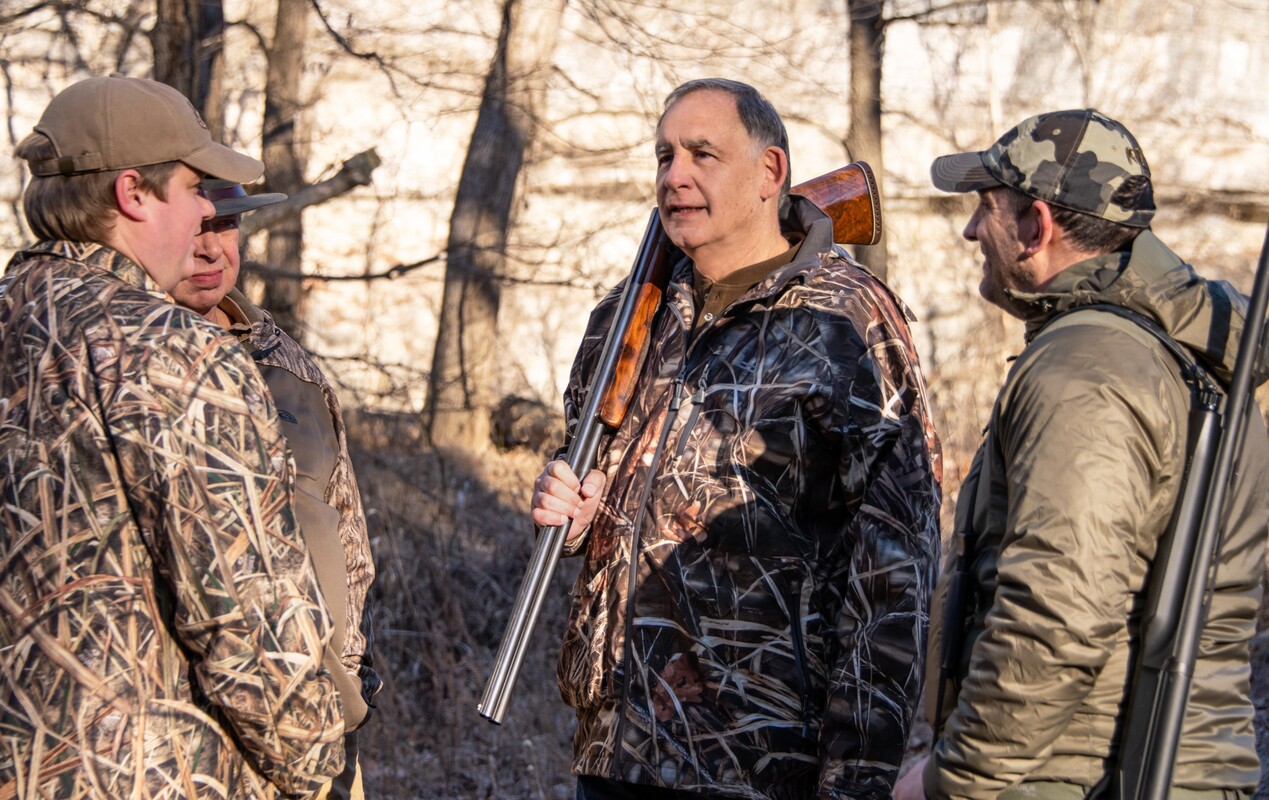
Boozman authored the Duck Stamp Modernization Act, which was signed into law in December 2023. If you’ve used your phone to pull up a digital duck stamp in the blind, you can thank him for that. It sounds like a small thing, but it modernized a program that hadn’t been updated in decades and made compliance easier for a new generation of hunters, ultimately meaning more stamp revenue flows into conservation.
More urgently, Boozman led a group of Mississippi Flyway senators in sounding the alarm to Secretary of the Interior Doug Burgum after a U.S. Fish and Wildlife Service report estimated total breeding duck populations at 34 million — below the long-term average and well below historic highs. He’s not waiting for the problem to solve itself. The letter cited drought conditions in the Prairie Pothole Region, where pond counts have fallen below average in three of the last four years, and if you’ve wondered why the skies have been a little thin lately, that’s a big part of your answer.
In Arkansas, duck hunters contribute more than $300 million to the state economy annually, according to Boozman’s office. Nationwide, waterfowl hunting generates approximately $4 billion in economic activity and supports nearly 57,000 jobs. Boozman knows those numbers cold, and he uses them, but he also talks about what it actually means to be out there.
“Being able to get out in a duck blind early in the morning is an experience unlike anything else,” he says. “It gives you an opportunity to appreciate the complexity of the ecosystem and enjoy opportunities for camaraderie and fellowship that wouldn’t be possible except in that unique setting.”
And he’s clear-eyed about what’s at stake if they stop fighting for it: “Whether it was leading passage of the permanent electronic duck stamp, supporting conservation easement investments or approving funding for North American Wetlands Conservation Act grants, we continually prioritize achieving policy wins that ensure strong waterfowl populations and recreation for generations to come.”
Crawford Covers the Delta
Rick Crawford represents the 1st Congressional District and serves on the House Committee on Agriculture, which is to say he represents the heart of it all. The Grand Prairie, the rice country, Bayou Meto and the White River bottoms. He hunts mostly over flooded rice fields and along the St. Francis River, and he’s got perspective that comes from actually living in duck country.
Crawford’s signature fight in Washington may not have made big headlines, but it meant everything to Arkansas hunters. He worked to push back against a federal proposal that would have designated ratoon rice — the regrowth that comes up after harvest — as a “baited” field, effectively making hunting over flooded rice illegal. It failed, and hunters in the 1st District kept their season intact.
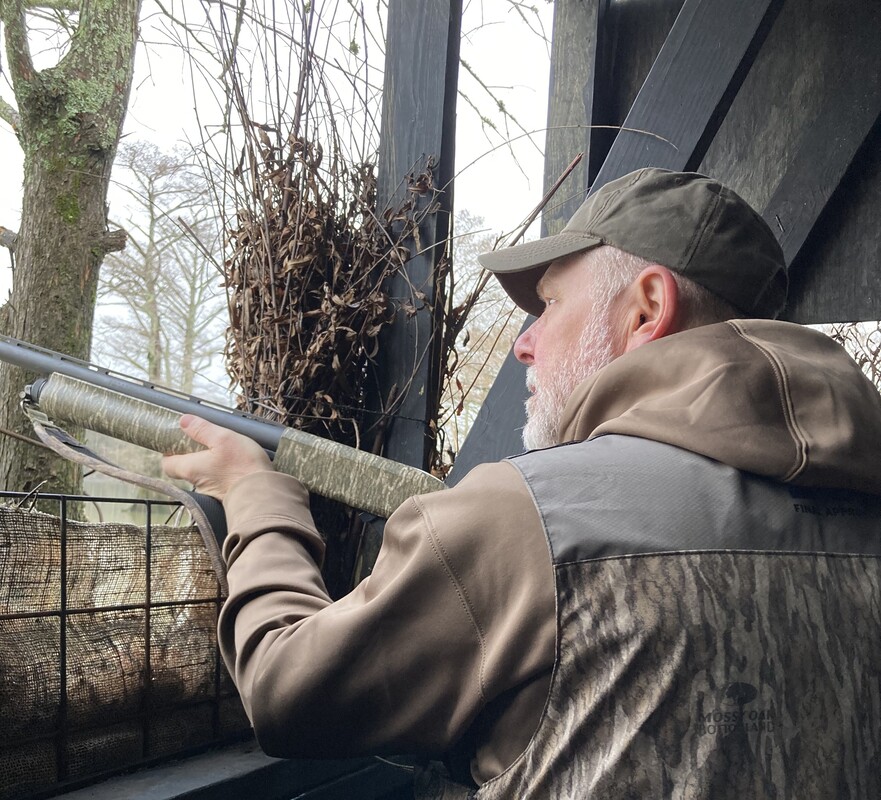
“Duck hunting is a huge economic impactor on the state of Arkansas,” he says. “Whenever I introduce myself to folks in D.C., invariably I’m asked about duck hunting, an integral part of our culture and our economy. Advocating for policy that positively impacts this important conservation and sporting endeavor is something I take great pride in on behalf of my district and state.”
He’s also consistent on the Farm Bill conservation programs that keep private rice ground flooded and productive through the waterfowl season. In a state where public land makes up only about 10% of the total landscape, what happens on private ground is everything. Crawford gets that. And when you ask him what duck hunting is really about, he doesn’t reach for the economics: “I’ve never had a ‘bad day’ duck hunting — even if I never take a shot. The value of time shared with friends and family — and the camaraderie of that experience — is really what duck hunting is about for me.”
Westerman at the Controls
Rep. Bruce Westerman grew up in the Hot Springs area and got his first serious exposure to duck hunting while working for Riceland Foods, cutting his teeth in the timber along Big Ditch. He’s hunted public spots like the White River and Nimrod WMA, and he’s hunted private clubs like Five Oaks, Firehunt and Prairie Wings. He’s seen every level of this thing, which makes him a rarer commodity in Washington than you might think.
He also chairs the House Natural Resources Committee, the committee with jurisdiction over the U.S. Fish and Wildlife Service, the National Wildlife Refuge System, the Bureau of Land Management, the National Park Service and the U.S. Geological Survey, which runs the population surveys and habitat monitoring programs that every waterfowl hunter in the country relies on. Westerman says it plainly: “Not a committee in Congress has more impact on ducks and their habitats.”
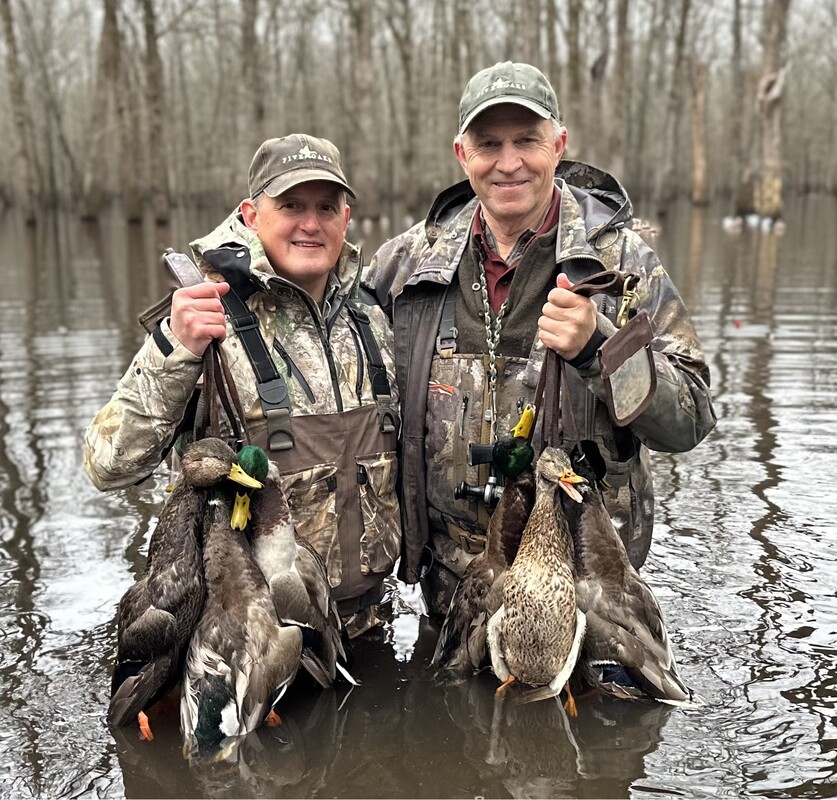
He’s not wrong. As chair, Westerman controls what gets a hearing and what doesn’t. That matters for everything from wetland permitting to refuge management to how conservation easement programs get funded. A chair who duck hunts is a different thing entirely from one who doesn’t.
When the green-tree reservoirs at Henry Gray Hurricane Lake WMA started dying with hundreds of acres of hardwoods gone or stressed beyond recovery from years of excessive flooding, Westerman didn’t send a staffer. He showed up, standing in the mud with AGFC and Ducks Unlimited representatives, alongside Rep. French Hill, looking at what’s being lost. That’s the kind of attention these problems need — and that’s hard to get without someone of his level at the table.
“Private landowners on the side of conservation rely heavily on programs tied to agriculture and wild habitats,” Westerman says, “and the Natural Resources Committee works to ensure the habitat is viable for the long-term benefit of waterfowl.”
Hill Steps Up
For rep. French Hill, duck hunting isn’t merely policy — it’s personal in a way that’s hard to manufacture. “For me, duck hunting is about companionship,” he says. “I treasure my long-standing friendships and morning sun-flooded timbers.” He talks about a photograph of his dad and his old friend Fred Brown at Dog Island. He talks about laughter and stories around the breakfast table before the sun comes up. He quotes Faulkner — specifically “Big Woods” — on the fellowship of hunting tales: “He would hear it, not talking himself, but listening — the wilderness, the big woods, bigger and older than any recorded document.”
That’s a man who gets it from the inside out. Hill has been consistent on conservation funding throughout his time in Congress, backing the Recovering America’s Wildlife Act, the Land and Water Conservation Fund, and the Pittman-Robertson modernization. His presence at Hurricane Lake alongside Westerman sent a message that the die-off in Arkansas’ green-tree reservoirs was serious enough to require their personal attention.
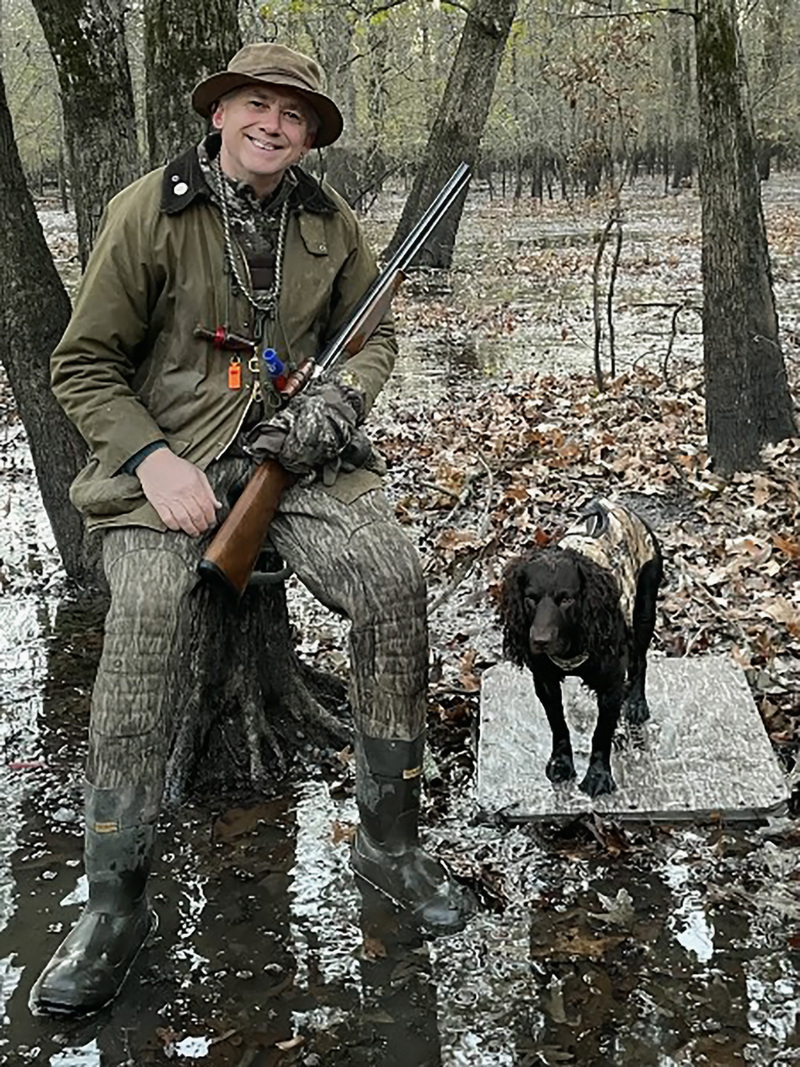
“Arkansas is one of the premier duck hunting destinations in the world, and keeping it that way requires real commitment from landowners, hunters and policymakers alike,” Hill says. “When those habitats are healthy, Arkansas hunters benefit. When everyone does their part — from the farmer managing his bottomland to the policymaker fighting for conservation funding — our state’s economy grows, our rural communities benefit and one of Arkansas’ most cherished traditions stays strong.”
The Bigger Picture
Here’s what all four of these men understand that many people in Washington never will: Duck hunting in Arkansas isn’t a hobby. It’s infrastructure. It’s culture. It’s the reason private landowners flood their fields, why wetland easements get funded, why bottomland hardwoods are worth more standing than cleared.
Duck hunting is also one of the primary mechanisms for wetlands conservation in a state that has no specific laws protecting wetlands on the books. Strip away the hunters, and the economic engine behind conservation slows to a crawl.
The Prairie Pothole drought. Declining mallard numbers. Green-tree reservoir die-offs. These aren’t abstractions; they’re your season. And fixing them requires people who understand that at a gut level, in rooms most of us will never enter. For the moment, Arkansas has strong representation for what’s best for the next and future seasons. The ducks and duck hunters don’t know that is extremely fortunate.