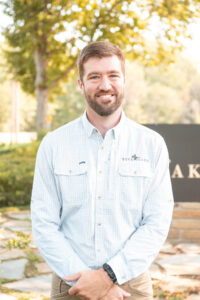
From the wild Arctic of Alaska and Nunavut to the serene plains of the Midwest and the soggy bottoms of “the Duck Hunting Capital of the World,” Ryan Askren has already lived many sportsmen’s dreams at only age 35. Now, as the inaugural director of the Five Oaks Agriculture Research and Education Center, Askren is working to ensure hunters, wildlife enthusiasts and outdoorsmen can enjoy Arkansas’ natural resources for generations to come.
There and Back, Then Back Again
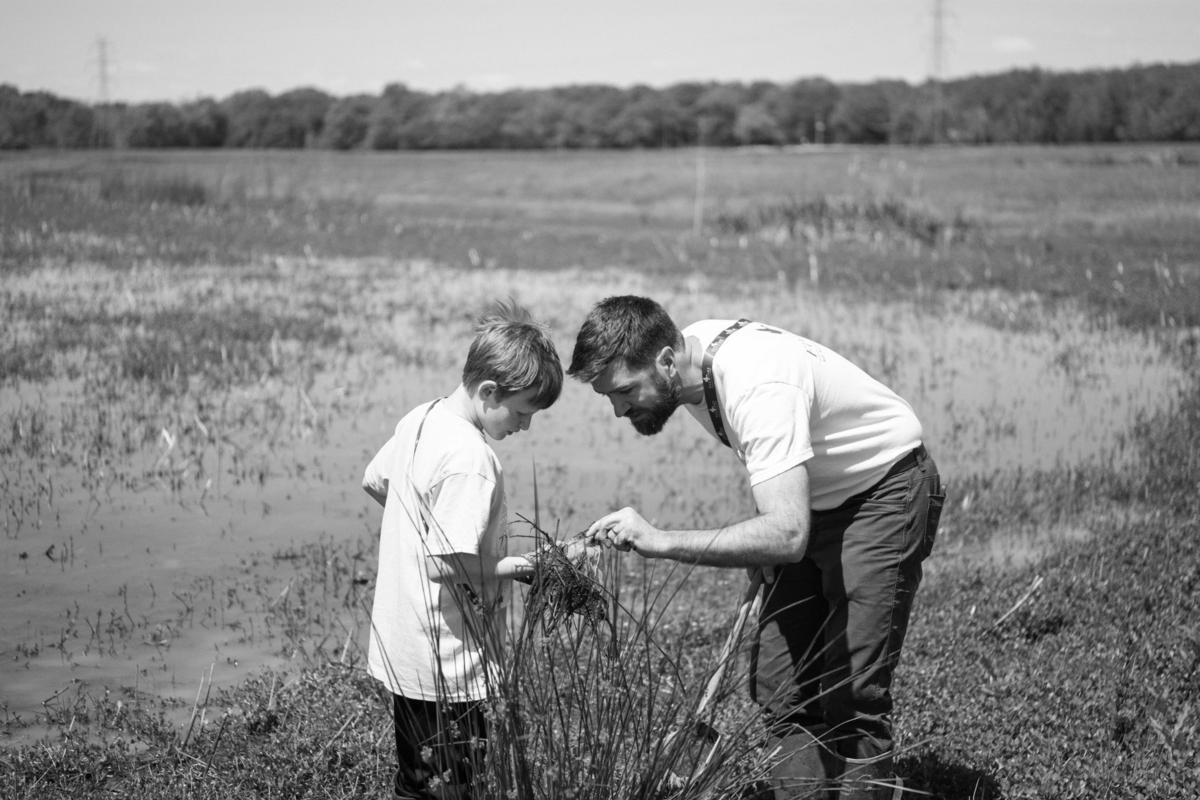
“Starting around the age of 10, I would say, is when I really started spending a lot of time with my dad getting outdoors,” Askren says. “There was always something with birds — I don’t know, their flight and the variety, all the different colors — that was fascinating to me pretty early on.”
Growing up in Muscatine, Iowa, a small town built on agriculture and industry, Askren learned to appreciate the mass migrations of ducks down the Mississippi Flyway through crosshairs and from behind the lens of a hand-me-down camera. In high school, he prepared for a career in business, until, at 16, he volunteered with the Canadian Wildlife Service.
“I had some outdoor experience but zero scientific research experience before, and that really is what kind of sent me down this career path,” Askren says. “I got to work on a snow goose colony … so, monitoring nests, trying to kind of map out the colony — just monitoring the population.”
He heard about the wildlife ecology program at the University of Wisconsin at Stevens Point from some of the other volunteers, and a few years later, he was deep in his studies.
“I applied and accepted to go there without even visiting,” Askren recalls. “That really gave me more of the science side — thinking critically about population dynamics, predator-prey dynamics and those kinds of things. I spent a lot of time in the Upper Peninsula of Michigan and Northwoods of Wisconsin and got to spend a lot of time in the marshes around there exploring, bow fishing and duck hunting.”
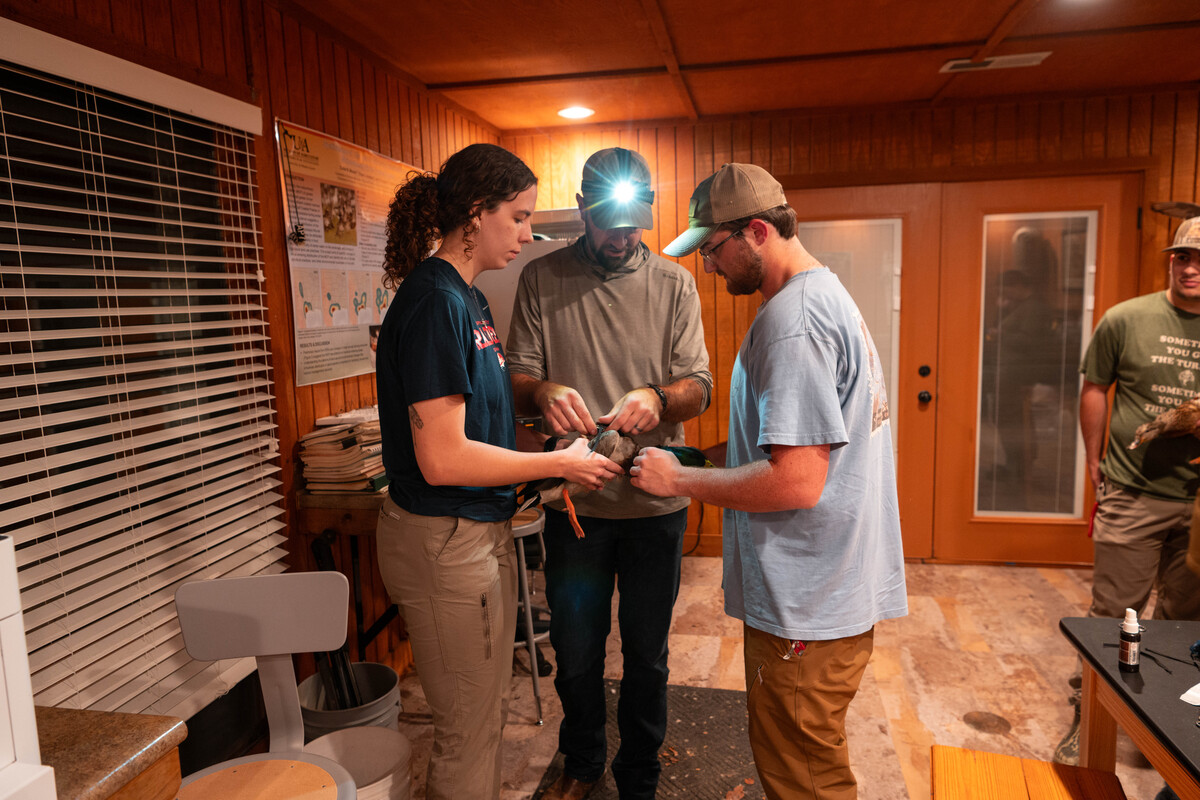
As he continued studying, his interest in scientific research grew, and Askren realized he’d need to go to graduate school if he wanted to follow that path. By chance, Doug Osborne, a professor at the University of Arkansas at Monticello, found a resume Askren sent in for a summer field job and thought he’d be a good fit for a research project at UAM.
“I came down to study acorns and food production in the White River National Wildlife Refuge but rolled into a master’s position looking at the migration ecology of specklebellies (white-fronted geese),” Askren says.
Askren went on to earn a doctorate in natural resources and environmental sciences at the University of Illinois — he studied Canadian goose migration patterns around Midway International Airport in Chicago — before returning to Arkansas to take on his current role at Five Oaks.
Five Oaks
Since 2023, Askren has led Five Oaks’ unprecedented Forest Agriculture and Research Center. Each year, three to five UAM graduate students live and learn at the facility to earn certification in waterfowl habitat and recreation management. Askren says some program graduates have gone on to work with Ducks Unlimited, the U.S. Fish and Wildlife Service and private land management organizations.
“They’re doing everything that we’re doing throughout the season, so they’re seeing the whole cycle of what it’s like managing property for waterfowl and wetland ecosystems,” explains Askren. “Master’s programs are really research-focused, academia-focused, so a lot of times you kind of lose the applied side, lose focus on how the research is actually going to impact our wildlife and wetland resources. … So that’s really where we saw a need.”
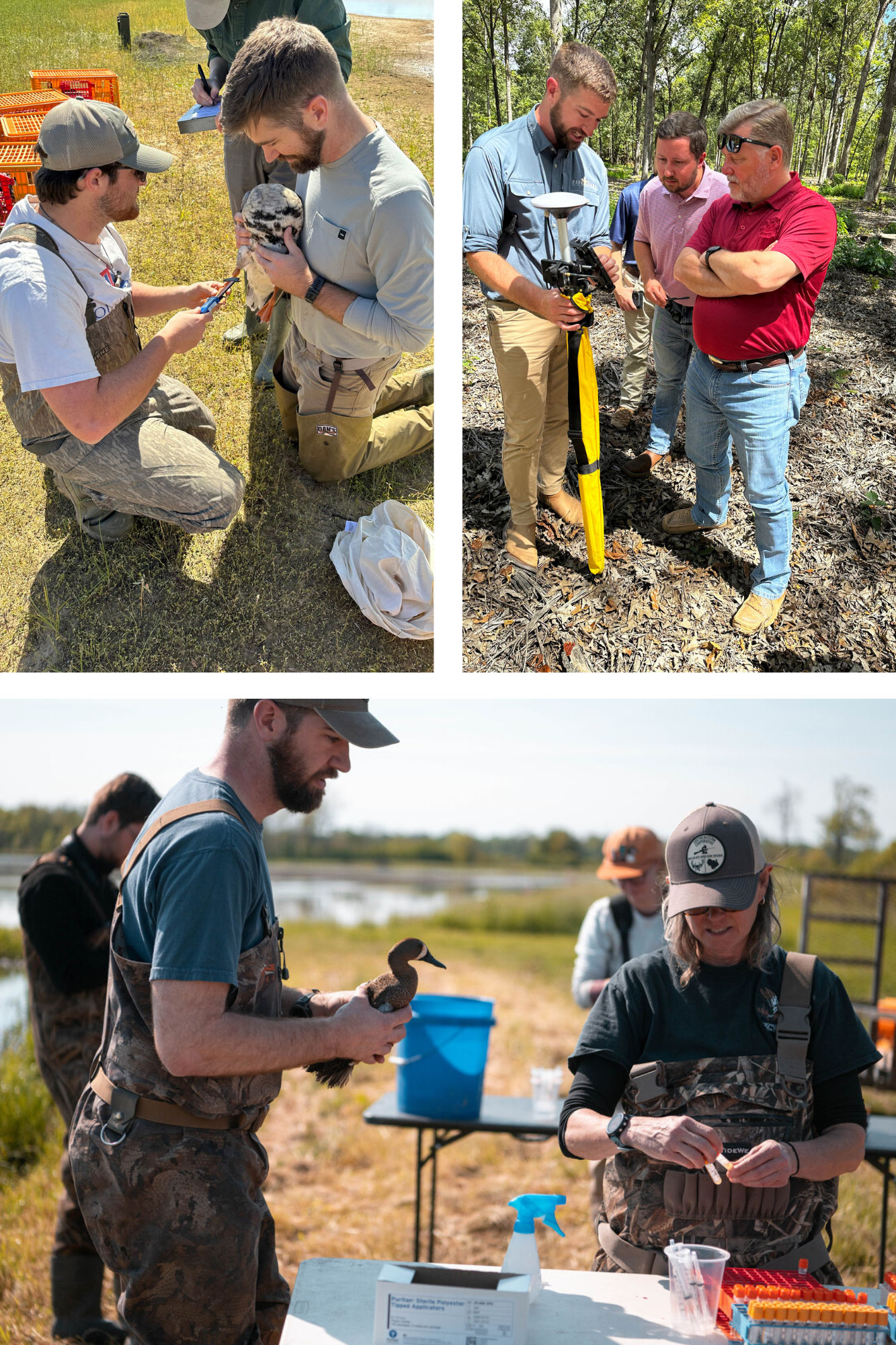
George Dunklin, founder of Five Oaks (and one of this year’s inaugural Greenhead Conservation Champions; see story on page 69), says he created the research center — dubbed FOAgREC by the lodge — to give students mentorship opportunities that will drive them to continue conservation work in the field.
“I stand on the shoulders of a lot of great men that came ahead of me, so I’m trying to do the same thing — surround them with the brightest waterfowl biologists, the brightest academics so that students can then go out — if I can use an analogy from the church — and be, kind of, disciples that go out into the mission field and work,” Dunklin says.
“We’re trying to train these students that have a really good ecological, wetland background and the academic knowledge they need, but train them to be farmers, habitat managers and to actually go out and do the things they’ve learned about,” Askren adds.
As for the job Askren’s doing? “I’m sure glad our paths crossed, because he is a fantastic teacher, hunter, educator and person — he and his wife both, wonderful people,” Dunklin says. “Ryan was one of those guys I didn’t know existed in this world. … He’s done a great job of being director.”
And he’s got his work cut out for him. As agricultural efficiencies stack up and the climate continues changing, conservation challenges are only becoming greater, and science-based strategies to preserve the natural environment are needed.
“We’ve got direct links between how much water we have down here during winter and how good of reproduction they have on the breeding grounds. So if we’ve got a lot of habitat, we’re sending them back in better condition, and they’re doing better nesting and reproducing and sending more ducks back,” Askren says.
“When we don’t have that habitat, that’s going to hurt our continental-wide populations, not just us.”