In 1951, conservationist Johnny Lynch wrote a satirical but insightful essay titled “Escape from Mediocrity.” The piece explained to the waterfowl science community and the common man that duck populations and subsequent hunting successes are predicated on habitat conditions on the breeding grounds, and seasons should be set based on those conditions, not through politics.
Though largely ignored at the time, his ideas foreshadowed Adaptive Harvest Management (AHM), which wasn’t implemented until 1995 and has since remained mostly unchanged.
Now, nearly 75 years later, as duck numbers and hunting success stagnate, Lynch’s take is gaining new relevance. Most hunters agree that prairie pothole habitat is the number one factor related to the current downturn in duck hunting but feel helpless to do much about it. So hunters debate causes and solutions — from season length and limits to banning equipment to hunter behavior to climate shifts. Countless opinions on how to get duck hunting back on track, but little has truly changed.
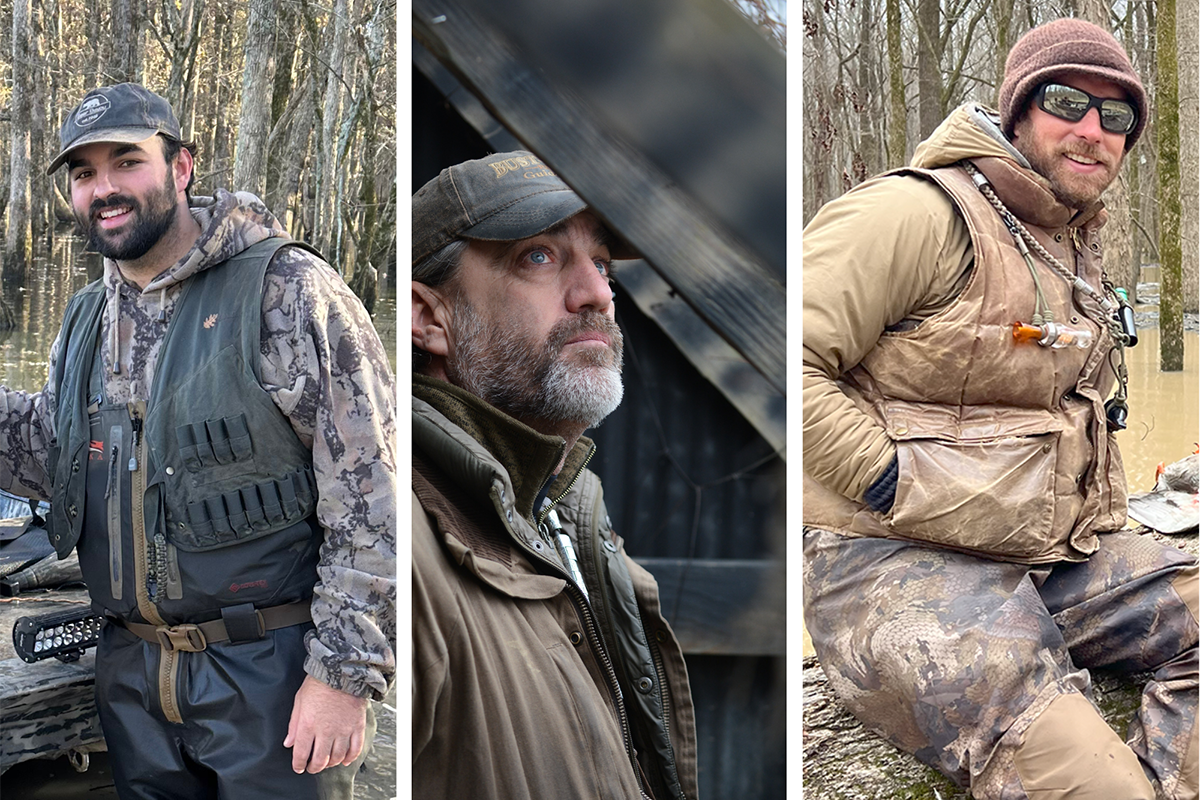
To bring some issues on the minds of duck hunters to light with potential fixes, I interviewed three seasoned waterfowlers from different age groups, asking: “If you were king for a day, how would you improve duck hunting?”
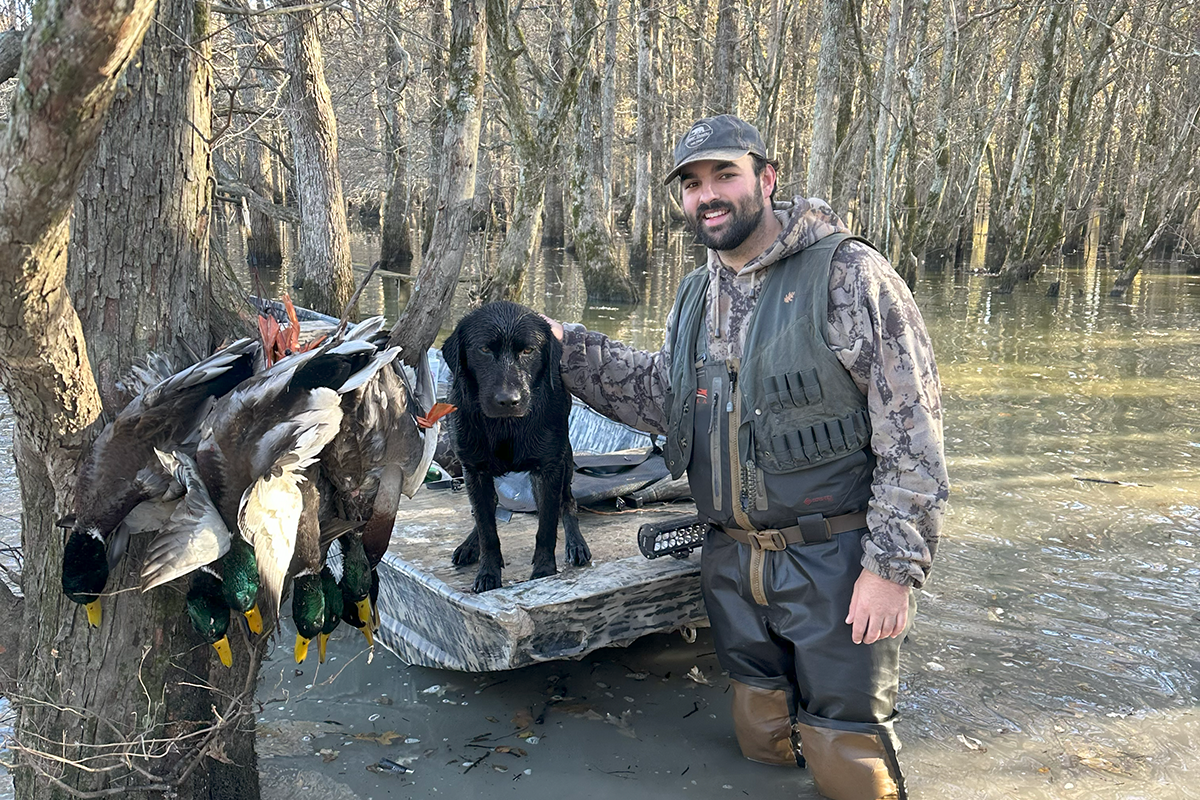
Matt Rogers
Law student, University of Arkansas at Little Rock Bowen School of Law
“I’m as blessed as any duck hunter could be, not because of full straps or bands, but because of the people who brought me into this world and the ones I get to share it with.
“I wasn’t born into duck hunting. My dad wasn’t much of an outdoorsman. But thanks to a few incredible mentors, that changed. Dow Worsham took me on my first hunt. I was soaked, cold and miserable, and I loved every second of it. He gave me my first unforgettable hunt and showed me what it meant to be a true sportsman.
“Later, Blair Allen and his family welcomed me into their camp at 3 Quack in Almyra. They became like family during some tough years, and their generosity gave me access to what I still believe is the most beautiful place on earth to watch a sunrise.
“That’s why, if I were king for a day, I’d make everyone wait for that sunrise.
“Duck hunting today is too focused on speed. How fast can you limit out? I’d push shooting time back to sunrise, not 30 minutes before. It would help protect hen mallards and, more importantly, remind us why we’re out there in the first place.
“It’s not about the pile pics or how many ducks you kill. It’s about the conversations, the laughter, the quiet moments with the people you love. I hunt often with my younger brother, and the time we spend together in the woods means more than any limit ever could.
“If duck hunting is just about killing for you, maybe it’s time to rethink your reasons. When you slow down and watch that sunrise, everything else fades away. That’s where the real joy lives.”
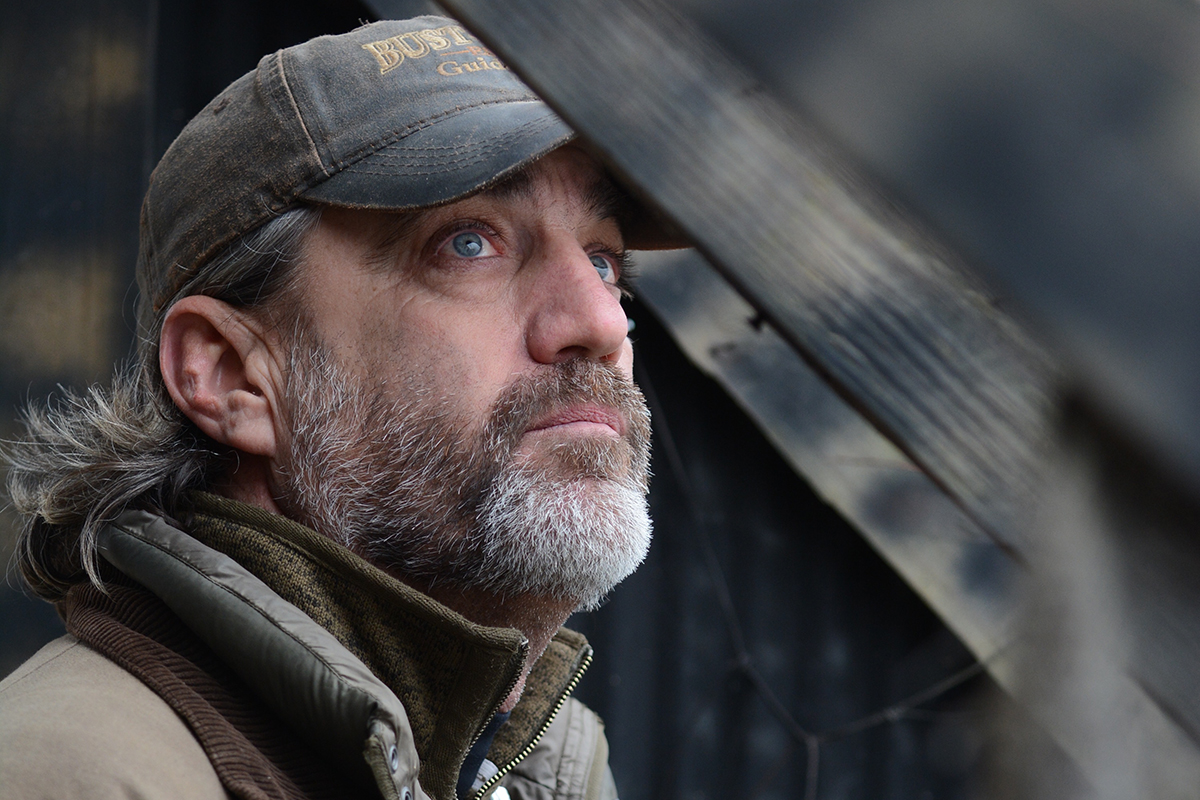
Buster Cooper
Owner, Bust-A-Duck Guide Service
“After decades of chasing ducks, I’ve seen a lot of change in this sport — some to the good and some not so much. Kings are rarely popular after ruling, but you picked me, so here we go. If I were king for a day, I would do it for the ducks and not for the bucks. Despite being in the guide business since 1997, I am more than willing to make sacrifices to protect the heritage and the sport of waterfowl hunting for future generations. At their core, ducks are still doing what they’ve always done. They’ve adjusted to modern-day pressure, but they still migrate, and they still inhabit the same general areas. Compared to a duck’s adaptability, the hunter has advanced by leaps and bounds with our apparel, ammo, gear, mechanical gadgets and the amount of unharvested food on the landscape.
“Frankly, duck hunting has gotten easy. Boat motors allow hunters to access areas that used to require a challenging walk with gear in tow. Ducks used to have to move about the landscape in search of food, but are now concentrated on large, unharvested food plots, pushing the common man out of the game. All the battery-operated gimmicks have reduced the need to improve hunting skills. Then, the greed of the guys overstepping the law by having a good shoot in the morning, only to return that afternoon for the double dip.
“The sport of duck hunting’s decline isn’t the ducks’ fault. It’s us. We need leadership in the sport that is less concerned about the dollars and more about duck hunting traditions and romance. More about the ducks, less about the bucks equates to focusing on the quality of the experience and less about opportunity. If that requires us as hunters to give some things up, I’m all for it.”
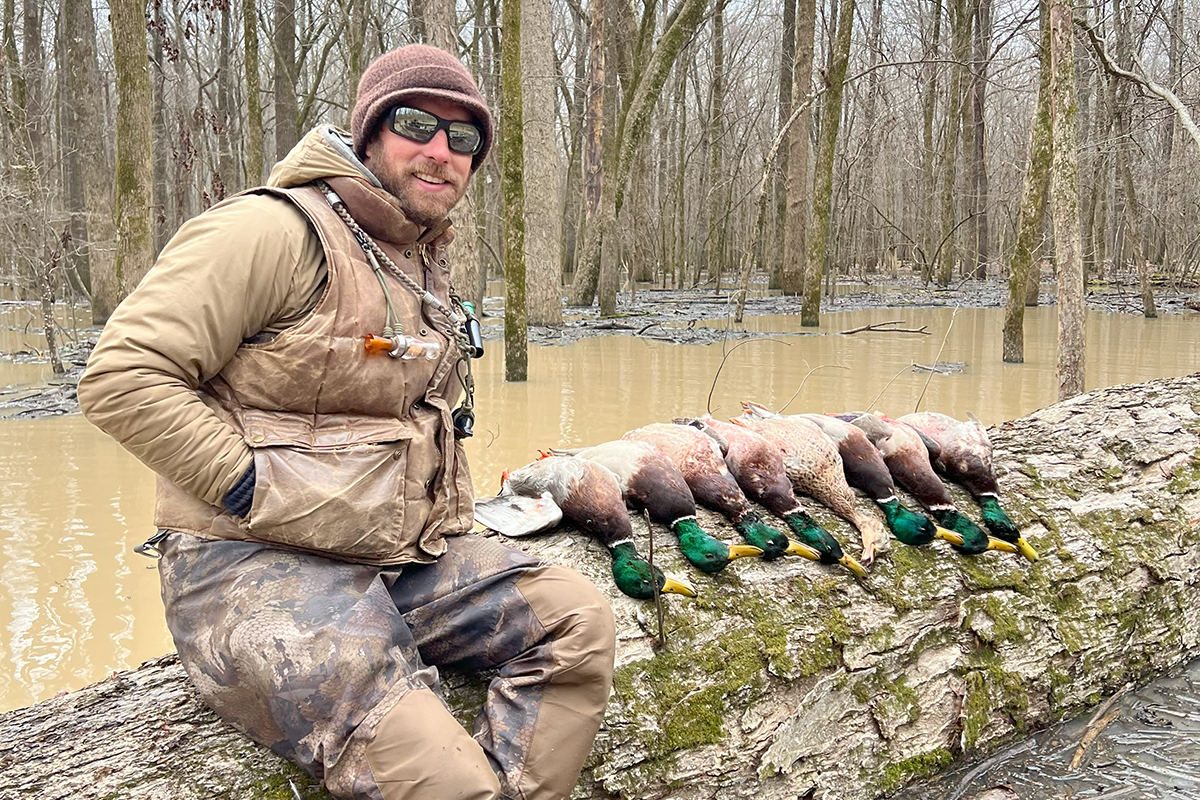
Jordan Case
Fly fishing guide, Rouse Fly Fishing
“When I was younger, I believed duck hunting in the public green timber of Arkansas would always be a tradition within reach. But over the past decade, that belief has been tested. Duck hunting has always been competitive — it’s in our nature — but the intensity today feels different. Fast boats, roaring motors, thousands of dollars in gear and clothing — it’s disheartening to see how far we’ve gone just to shoot a duck.
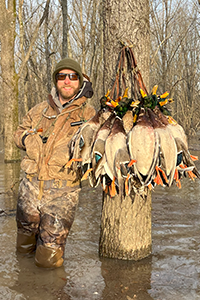
“We’ve got to get out of our own way if we want this incredible tradition to last. That speaks for public and private land hunters. Busy boat ramps are now the norm, and while crowds aren’t a new problem — I remember packed mornings 20 years ago, but there was a different tone back then. People carried themselves with more dignity.
“If I were king for a day, I would take a long, hard look at improving the public land experience. Any WMA or Rest Area that isn’t a green tree reservoir needs to be maximized for food production and should have plenty of water two to three weeks before season. I would ban surface drive motors and cap the horsepower at 25 on all motors. As much as I don’t want to see a draw, we’ve got to figure out a way to limit the number of hunters while the WMA is barely flooded. Once the WMA reaches full pool it should be first come first serve. Finally I’d ban spinning wing decoys up and down the flyway, on public and private ground.”