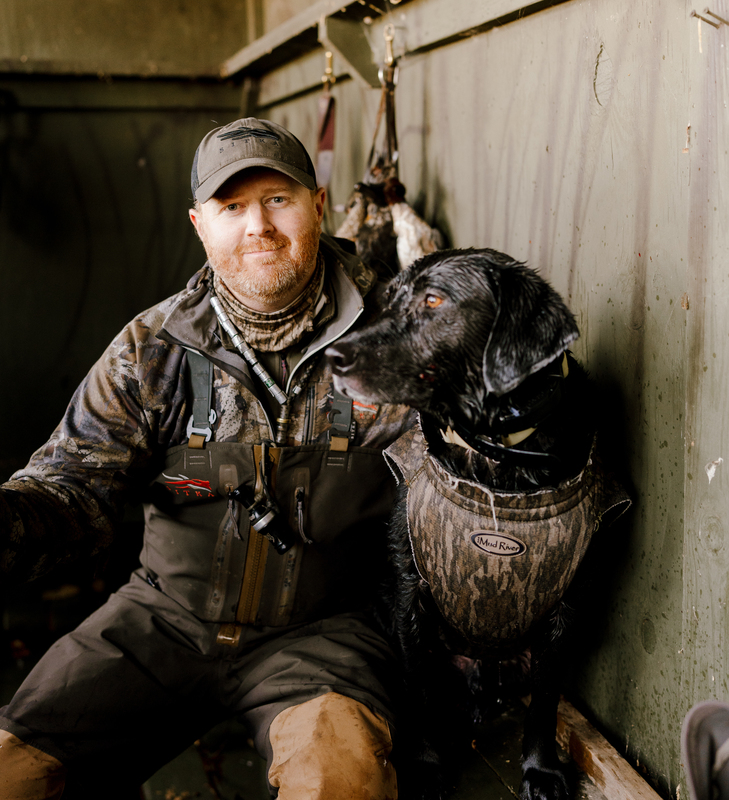
When Matt Graves and a partner purchased 1,200 acres of bottomland hardwood and agricultural land in Poinsett County in 2022, they knew they had a major project on their hands. But Graves looked forward to improving and maintaining the land for waterfowl, and he’s been at it ever since.
“The first year I owned it, I stayed in a hotel in Newport almost 40 nights, looking at [3D] imagery of the property and developing a plan for how to optimally manage water levels and increase holding capacity,” Graves says.
The Little Rock native grew up hunting at Bayou Meto and any private clubs he could score an invite to, determining early on that one day he’d like to manage his own property. As he’s gotten older, Graves has seen duck numbers and habitat decline firsthand; when he had a chance to improve conditions for waterfowl himself, he was eager to take it.
“I’ve been lucky to have really good places to hunt most of my life,” he says. “When I had the opportunity to actually make a difference and manage habitat — it was a passion that I just needed a medium in which to make it happen. I’m a hands-on guy, and I have heavy equipment, so I dug in and got after it.”
Three Mile Refuge, his tract in Poinsett County, is an ongoing project, and Graves is now working to develop other properties, about 1,500 acres total, for waterfowl.
“Each year has been a learning experience, but each year, it has gotten better. It’s exceeded expectations exponentially,” he says. “I feel like I have a responsibility to continue improving what I can control here in Arkansas.”
His biggest reward is yet to come; he’s looking forward to the day he can bring his daughter, 2 years old now, on her first hunt. For now, he’s content with sharing his land with family, friends and their children with hopes of inspiring the next generation of stewards.
“To me, it’s important that we focus on the quality of the resource, to keep that going, because without it, people will slowly move away from the sport,” he says. “Opportunity alone isn’t enough; having a quality experience is what gets them excited and coming back.”
In the Hole
What improvements have you made at Three Mile Refuge for waterfowl?
“We built miles and miles of levees, put in a number of water control structures to hold water and improve the plumbing to be able to get water off trees and out of fields as we needed.”
What advice would you give other Arkansas landowners?
“Spend time on the property looking at how the hydrology works.”
What could improve conditions for waterfowl?
“Put more resources, research and habitat work in place in the Prairie Pothole Region. … Radically rethink how we have looked at habitat management in the breeding grounds.”