Duck hunting has been part of the American landscape for generations. What began as a way to put food on the table eventually evolved into a pastime, though one still deeply connected to the resource itself.
Over the years, the sport has seen periods of growth and decline, just as duck populations have. Through it all, one thing has remained constant: Hunters have carried much of the responsibility for conserving the very birds they pursue. The North American conservation model is built on that foundation. The ducks that fill our skies each fall are here because previous generations of waterfowlers invested their time, money and effort into protecting habitat and ensuring healthy populations. The opportunities we enjoy today were not guaranteed — they were earned by those who came before us.
Reflecting on the past raises the question: Who is next? As baby boomers and Generation X age out of the sport, who in the sport today will carry the torch for conservation and ensure it doesn’t slide backward? Anyone with a social media account would be quick to notice that Gen Z seems more concerned with showing off than preserving traditions, supporting conservation and playing the long game.
Both of my sons are in their 20s, so I get a firsthand account of how they and their peers view duck hunting. They chase them on public. They chase them on private. Sometimes with dad. Many times on their own with their tight clique. But around duck camp and even in the off-season, I do a lot of listening and watching, and when presented the opportunity, I try to spark conversation to get a pulse of what the younger generation is thinking about the sport.
Sometimes I’m impressed and hopeful. Other times I’m bummed, maybe even a little frustrated. But then I think back to when I was 20 and in the “limiting out” stage and not all that much different. My generation didn’t have the vehicle that is social media to “compete” or, on the other side of the coin, feel inferior because our peers posted pile pics and you got skunked.
So, to get a better feel for Gen Z’s mindset going into this season, I sent a list of questions to a roster of 20-somethings I know and asked them to share it with their friends. I specifically said their input was only valuable if it’s honest. In other words, don’t tell me what you think I want to hear.
The stereotype of the next generation of duck hunters isn’t particularly flattering. They’re accused of caring more about content than conservation, more about limits than the experience and more about what happens after the hunt than during it.
The responses from this group of Gen Z duck hunters tell a different story. Keep in mind, this group has never experienced anything other than a 60-day duck season and a six-duck limit.
If anything, they’re worried about many of the same things older hunters are.
The easy assumption is that young hunters are primarily concerned with big trucks, fast boats, loud duck calls and, of course, their personas on social media. But the dominant theme throughout their responses was habitat. Not seasons. Not limits. Not regulations. Habitat.
Over and over, respondents pointed to the loss of quality wintering habitat, declining conditions in flooded timber, pressure on migration corridors and the long-term health of waterfowl populations as the greatest threats facing Arkansas duck hunting. While hunters often spend hours debating season structures and duck numbers, many of these young hunters seem to understand a simple reality: Ducks have to have somewhere to go before there’s anything to argue about.
“We’ve seen a decrease in flooded fields and habitat for ducks. Much of it is outside the waterfowl community’s control. Farmers have to get water off fields and prepare for the next crop year, and in today’s tough farm economy, some former duck habitat is being put into production just to stay afloat,” says Stuttgart’s Mitchell Stovesand. “It’s happening all along the flyway, not just here. When that adds up, duck numbers are going to decline. No food, no ducks.”
They also expressed concern about something every Arkansas duck hunter has witnessed over the last decade: overcrowding. Public land pressure, increasing competition and the commercialization of duck hunting surfaced repeatedly. Several described a culture that has become increasingly focused on killing limits and less focused on enjoying the experience.
That theme carried directly into another subject: social media.
From this group, Instagram and YouTube haven’t necessarily ruined duck hunting, but they’ve certainly changed it. Most acknowledged that social media can help introduce new people to the sport and spread conservation messages. At the same time, many believe it has fueled unrealistic expectations, amplified competition and encouraged hunters to chase attention instead of experiences.
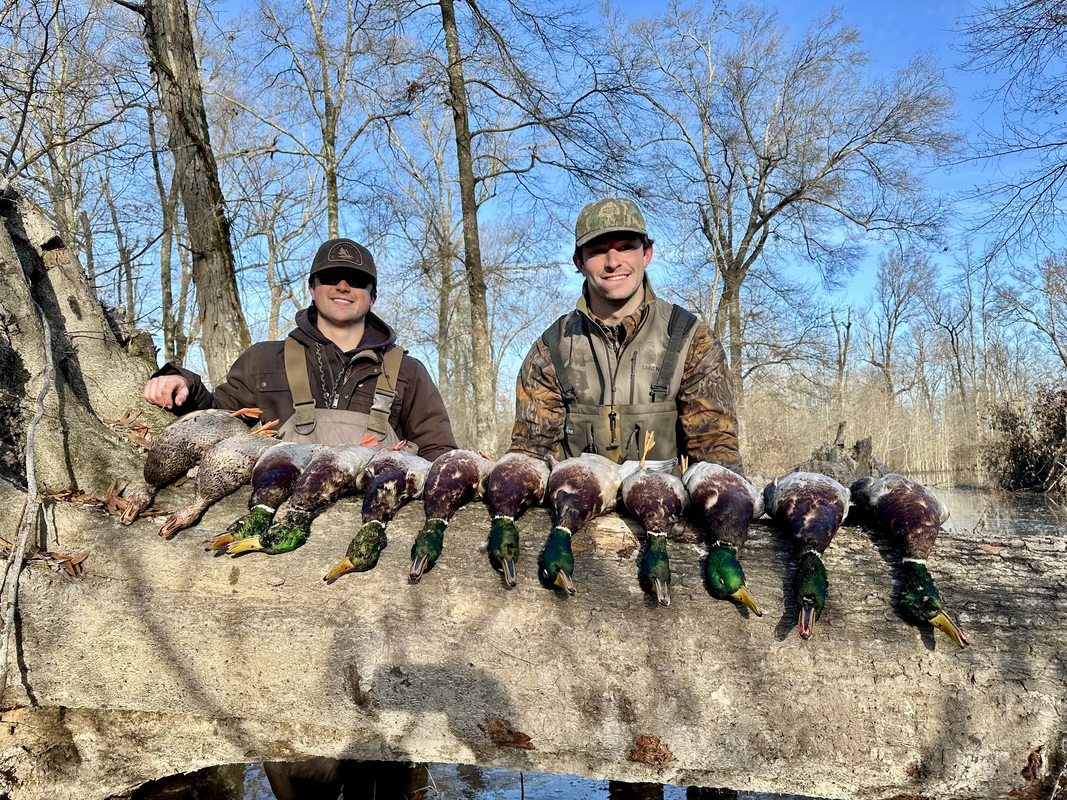
(Submitted Photo)
One respondent summarized it well when he suggested that too many hunters are chasing online validation rather than ducks.
“Social media is a great tool, but it is widely used in a poor way to portray our sport. The fights, gory kill shots and pile pics do not necessarily embody what our sport is all about,” says Fayetteville’s Jake McNeil.
Witt Stephens III of Little Rock adds, “If you’re posting public hunting content but not positively influencing the sport, you’re part of what’s wrong with duck hunting today. It’s usually pretty easy to spot those people. They post just to say, ‘Look at me.’ It all feeds into the social media problem that comparison is the thief of joy.”
Perhaps the most interesting takeaway was how often these hunters sounded like their fathers and grandfathers.
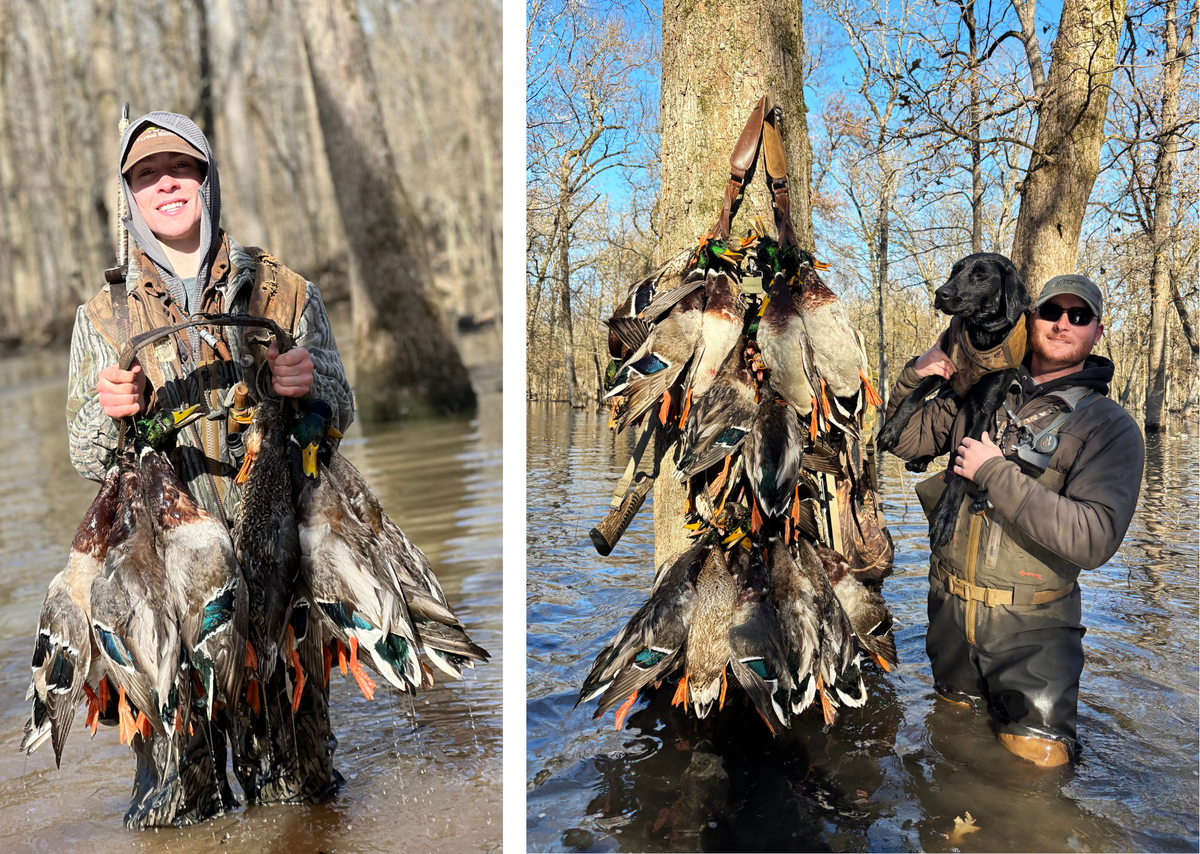
They talked about respect — for the resource, for other hunters, for places, for traditions. They spoke less about limits and more about camaraderie, less about success and more about the experience. If there is a generational divide, it may not be nearly as wide as some would like to believe.
“Having grown up in Stuttgart, I have been surrounded by men and women who value the history and tradition of duck hunting, and for some, it’s their way of life,” says Stuttgart’s Pate Kleinbeck. “The desire they have to pass down these traditions and preserve the wildlife is admirable.”
Adds Riley Scott of Little Rock: “Simply show respect, both to waterfowl and other hunters. You get what you give to both people and ducks.”
That doesn’t mean they think their generation is off the hook.
In fact, many were openly critical of their peers regarding conservation. Several suggested that young hunters are quick to enjoy the benefits of conservation but slower to support the organizations and efforts that make duck hunting possible. There was a common belief that more hunters need to volunteer, donate, advocate and become involved beyond opening day.
For a generation often accused of taking duck hunting for granted, many seem to recognize exactly what’s at stake.
Pierce Moss, formerly of Stuttgart, says, “Our generation isn’t doing enough to create real change. We need to vote, get involved, support conservation organizations and contribute to the future of the resource.”
My oldest son, Reid Birch of Conway, adds, “What are you doing today to make sure ducks are still around for our children and grandchildren to hunt?”
The overall message wasn’t one of pessimism. It was about responsibility and the recognition that their generation has some heavy lifting to do on behalf of the ducks and their habitat.
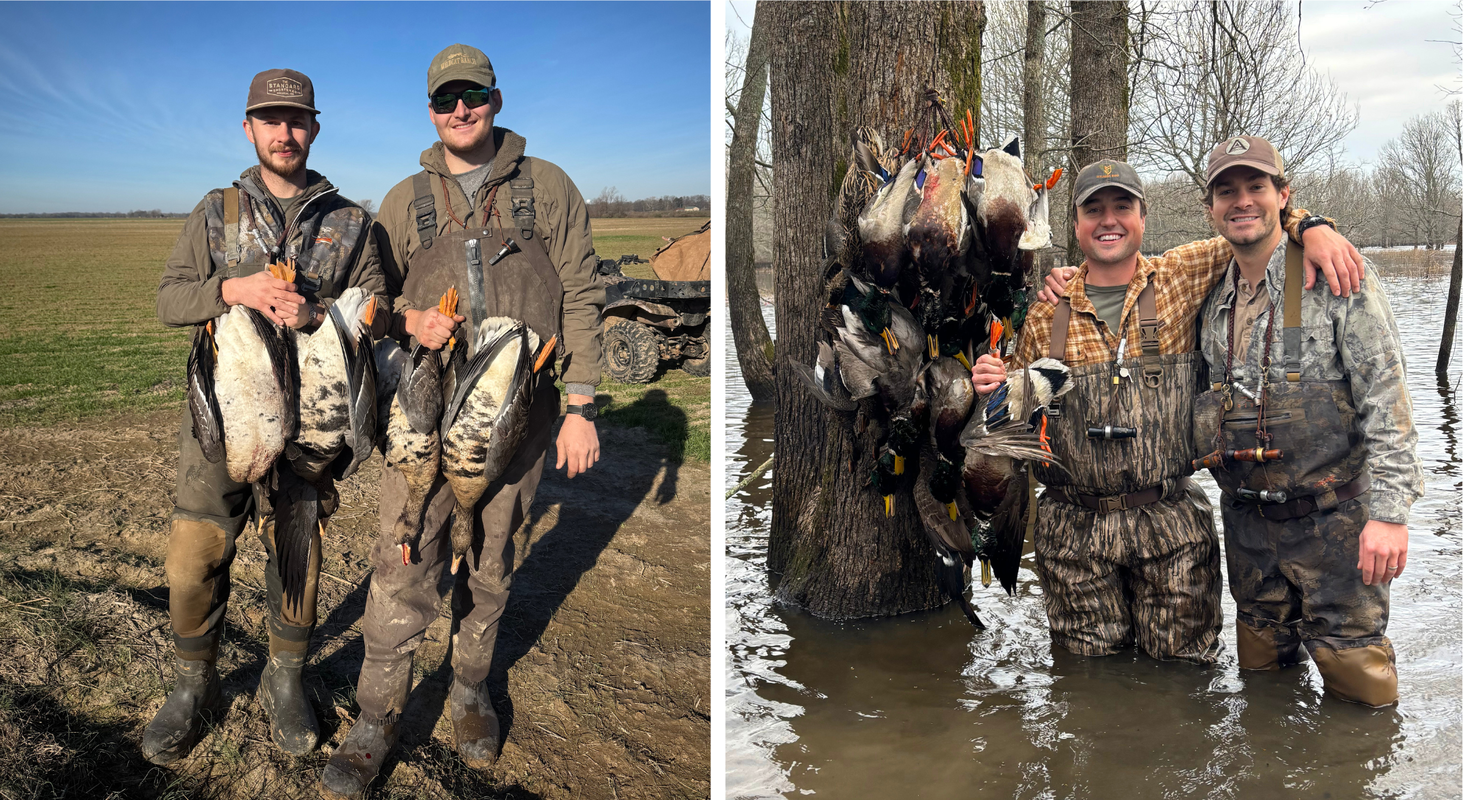
The ducks will do what ducks have always done. They’ll respond to habitat, weather, water and food. The bigger question, according to many of these hunters, is whether the next generation of sportsmen is willing to do its part.
Noah Perry of Little Rock may have the wisest take of the entire survey: “Henry David Thoreau once said, ‘Many men go fishing all their lives just to realize it is not the fish they are after.’ The same applies to duck hunting.” A pretty profound perspective for a 20-something.
This group of waterfowlers understands that Arkansas duck hunting isn’t something they inherited from the generation before them, it’s something they’re borrowing from the next generation, and that’s highly encouraging. It’s apparent to me that their mentors deserve a lot of credit for setting the tone and creating a forward-thinking, conservation-oriented mindset.
Ethologist Jane Goodall says, “It would be absolutely useless for any of us to work to save wildlife without working to educate the next generation of conservationists.” That responsibility falls on the fathers and grandfathers, Gen Xers and the baby boomers, and eventually millennials and on down the line. Too many young men are turned loose in the woods without solid mentorship or a resource-first mentality.
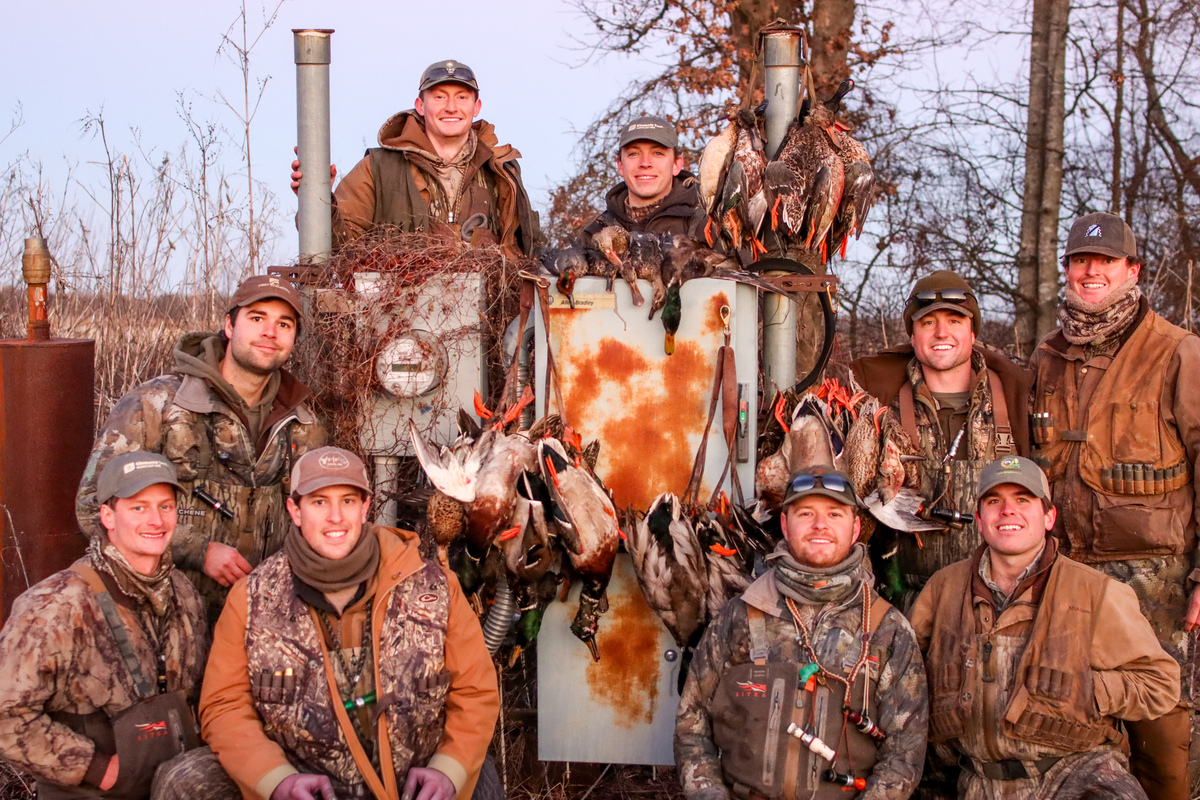
If these young hunters can move beyond simply participating in the sport and begin leading it through conservation, mentorship and advocacy, the future of Arkansas duck hunting may be in better hands than many believe.