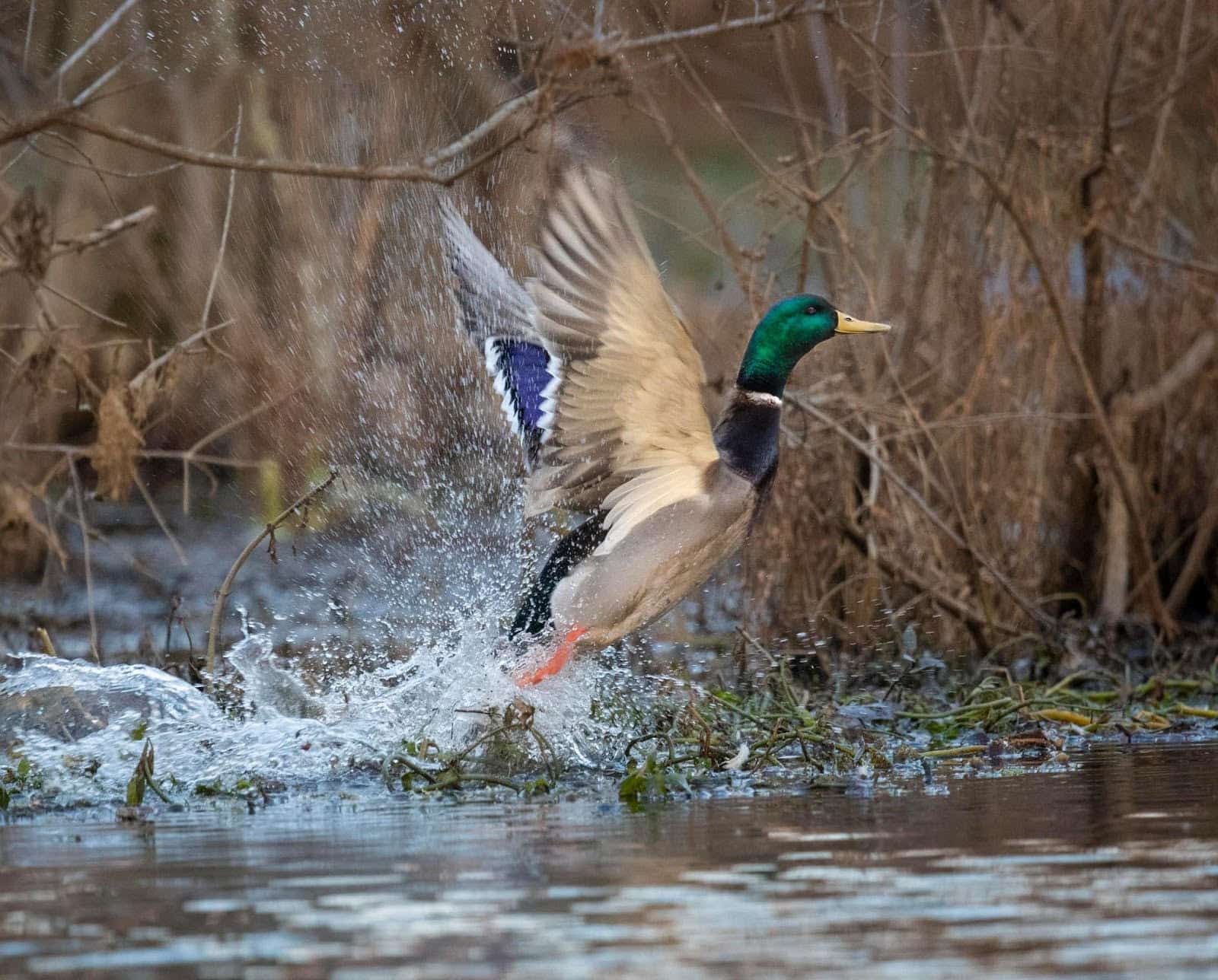
Hunters and conservationists have a chance to weigh in on a proposed federal rule that Ducks Unlimited officials say could have lasting impacts on North America’s most important duck breeding habitat. The U.S. Fish and Wildlife Service is considering changes to drain tile setback requirements on wetland easements enrolled through the Small Wetlands Program. Ducks Unlimited warns the proposal could allow subsurface drainage systems to be installed closer to protected wetlands, potentially reducing the water these wetlands hold during the breeding season.
The wetlands scattered across the Prairie Pothole Region of the northern United States and southern Canada are often referred to as North America’s “Duck Factory.” Millions of ducks are produced there each year, with the region providing critical habitat for nesting hens and broods. Conservation groups say even small seasonal wetlands play an outsized role in maintaining healthy waterfowl populations.
According to Ducks Unlimited, reducing setback distances could increase the amount of water drained from these wetlands over time, diminishing breeding habitat for ducks while also affecting other wildlife and the natural benefits wetlands provide, including flood mitigation and water filtration. The organization is encouraging sportsmen and women to submit comments opposing the proposed changes.
Ducks Unlimited has launched its Save the Duck Factory campaign, providing information about the proposal and an online form that allows supporters to send comments to the U.S. Fish and Wildlife Service before the public comment period closes on August 7, 2026.
For waterfowl hunters, the issue extends well beyond a single regulation. Habitat conditions in the Prairie Pothole Region directly influence annual duck production and, ultimately, the quality of future migrations. Recent breeding surveys have shown that while some portions of the prairie have seen improved moisture conditions, much of the region continues to recover from years of drought, making the protection of remaining wetlands especially important.
Hunters and conservation supporters who wish to participate can learn more and submit comments through Ducks Unlimited’s Save the Duck Factory campaign.